


A shampoo from a drugstore such as dm may handle everyday cleansing perfectly well. With styling and leave-in care, differences between individual formulas can become more noticeable. One retail category is not automatically better than another: the ingredients, the amount you need and the result you want are what matter. Let’s compare where a budget product may be enough and where a specialist option could be useful.
Start with a cleanser that suits your scalp and does not leave the lengths uncomfortably dry. A gentle sulfate-free shampoo is one possibility, but “sulfate-free” alone does not guarantee mildness. Effective cleansing provides a useful foundation for the products that follow.
What matters on the label, whatever the price?
The bottle’s price cannot tell you how a formula will behave on your curls. Look beyond the front label to the ingredients, purpose and directions. These five areas are worth understanding in any price range.
Sulfates
Some sulfate surfactants, such as sodium lauryl sulfate, can cleanse strongly and remove surface oils. Natural oils do not always travel easily along curled hair, so an overly strong routine can leave the lengths dry. There are also effective sulfate-free cleansers. However, the full formulation and frequency determine the result: not every sulfate shampoo is harsh, and not every sulfate-free one is gentle.
Less easily rinsed silicones
Some silicone-containing products can accumulate if your cleansing routine does not remove them sufficiently. Hair may then feel heavy or coated. Water solubility is one useful clue, but it does not tell the whole story: removal also depends on the formula and cleansing system, and sulfates are not the only way to remove silicones. It is more helpful to assess performance than label every silicone “good” or “bad”.
Drying alcohols
Short-chain alcohols such as alcohol denat. can help sprays and gels dry quickly. Some hair or scalps find higher amounts drying, particularly with frequent use. Fatty alcohols such as cetyl alcohol and stearyl alcohol are different: they commonly help soften and condition hair. The shared word “alcohol” on the label can therefore be misleading.
Parabens, fragrance and sensitive scalps
Parabens are preservatives, while some phthalates have been used for other functions such as fragrance solvents. These are different ingredient groups, not a single category of curl-damaging substances. It is not accurate to assume all parabens irritate the scalp or that the word “parfum” proves a product contains a particular phthalate. If your scalp is sensitive, consider known individual triggers and the product’s fragrance rather than relying on a blanket blacklist.
Protein and conditioning
Protein-containing care can improve the feel of some hair, but using several rich or protein-heavy products may leave other hair stiff, rough or less flexible. That can happen with either drugstore or specialist products. Look at the overall routine rather than the type of shop. If your shampoo, conditioner and styling all contain protein, compare the result with a simpler conditioning step instead of automatically adding another protein treatment.
Where drugstore products can work well
Several product types can perform well at a lower price. The key is that the particular formula meets your needs and your scalp tolerates it, not that it passes a universal list of forbidden ingredients.
Clarifying shampoo
A drugstore clarifying shampoo can be effective for occasional removal of styling residue. A two-to-four-week interval suits some routines, but frequency should follow your products, water and scalp. Compare the actual cleansing performance and instructions rather than assuming a specialist product must clean better.
Regular conditioner
A rinse-out conditioner for slip and softer lengths can be a good place to save. Very dry or damaged hair may benefit from a richer or more concentrated formula, but these properties are not exclusive to expensive products.
One distinction matters: an ordinary conditioner is not necessarily a cleansing conditioner. If you want to cowash, choose a product formulated for that purpose and make sure it cleans your scalp sufficiently. Specialist shops may offer more options, but availability varies; the place of purchase does not define whether a product can cleanse.
A basic gel
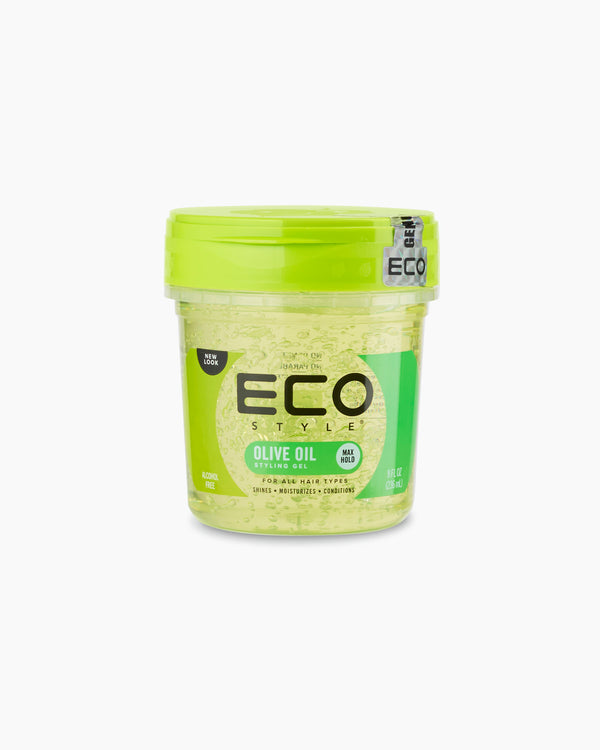
A simple affordable gel can provide useful hold, whether for shaping a hairstyle, smoothing flyaways or defining curls. If you need a particular balance of hold, flexibility and humidity resistance, compare formulas rather than assuming a low-priced gel cannot do the job.
Where a specialist range may offer more choice
For some needs, access to a wider variety of textures and purposes can make choosing easier.
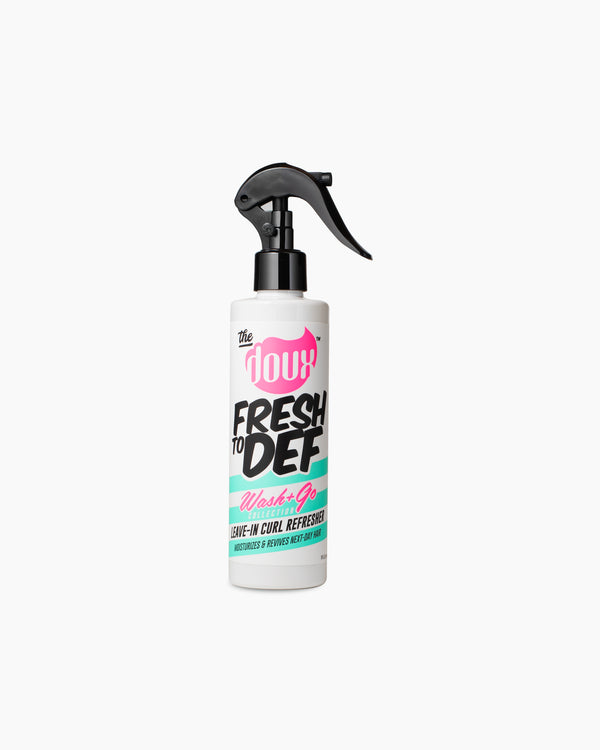
Leave-in conditioners and curl activators
Because these products stay on the hair, their weight, slip and finish have a direct effect on the hairstyle. A specialist range may make it easier to find the balance you want. Still, evaluate each product individually: neither concentration nor silicone content can be inferred from its price or retailer.
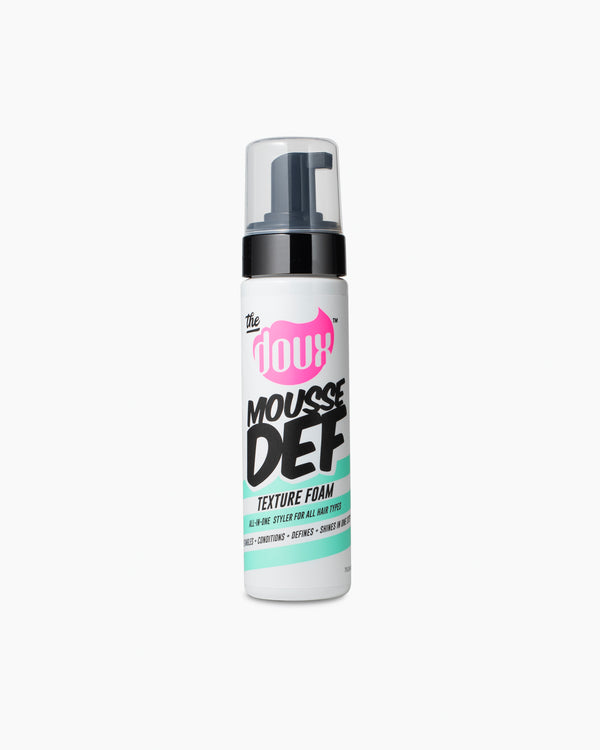
Foams and defining creams
Dedicated curl ranges can offer different textures for fine waves, dense curls and coily hair. A cream that is too heavy for fine waves may work well on thicker curls; another may feel too light. The useful difference is having a formula suited to your hair, not simply a specialist label.
Brushes and combs
A closely spaced comb used roughly on dry curls can pull, break strands and disrupt definition. A smooth wide-tooth comb or suitable detangling brush may work better. Look for a comfortable shape, sound materials and gentle use. These tools can be found in different kinds of shops, so inspect the tool rather than assuming every drugstore option is unsuitable.
Cost per use: the bottle price is only part of the picture
A more concentrated product may require less per application, but a higher price does not automatically mean higher concentration. The useful calculation is bottle price divided by the number of uses you actually get at your hair length and preferred dose. Comparing volume alone misses that detail.
For an illustration, compare two 250 ml conditioners. Product A costs €6 and you use 30 ml per application; product B costs €18 and you use 15 ml. That gives approximately 8.3 and 16.7 applications, at €0.72 and €1.08 per application. B costs three times as much per bottle, but 50% more per application. A is still cheaper in this example. The outcome changes with your actual dose; these are illustrative figures, not current product prices.
| Product type | What to compare |
|---|---|
| Clarifying shampoo | a suitable drugstore formula can clean effectively; compare a specialist option for its particular properties. |
| Rinse-out conditioner | affordable formulas can provide slip; richer options may help very dry lengths. |
| Cowash | choose a purpose-made cleansing conditioner, wherever you buy it. |
| Leave-in or activator | compare concentration, weight and finish; a wider specialist choice may help. |
| Defining gel or cream | judge hold, definition and frizz control on your own hair. |
| Brush or comb | prioritise smooth construction and a shape you can use gently. |
What does one application really cost?
Enter the price, bottle size and amount you use for two products. The starting figures are illustrative examples, not current product prices.
Use the same currency for both prices. Changing the currency does not convert the amounts.
Enter the price, bottle size and amount you use for two products. The starting figures are illustrative examples, not current product prices.
Measure your own usual dose: pumps and product thickness vary. One tablespoon is approximately 15 ml.
Price per application = bottle price × dose ÷ bottle size. Application counts are approximate and include a possible partial last dose.
What about familiar brands?
Drugstore brands such as L’Oréal and Gliss Kur offer products marketed for waves or curls. The front-label description alone does not tell you whether a particular product will suit your hair. Read its purpose, ingredients and directions, and assess your own result rather than judging the whole brand.
The same applies to premium and salon brands, including Kérastase. A higher price may reflect a different texture, sensory experience or formulation, but it does not automatically guarantee a better match. Some brands offer dedicated curl ranges too. Check the individual product, and consider how multiple protein-containing steps feel in your routine rather than assuming a premium series is inherently excessive.
Supplements sold by brands such as Hairburst are a different category from shampoo and conditioner. They are not styling products, and their suitability and potential benefits need a separate assessment.
Building a first routine with a budget of around €50
If you do not want to spend a large amount at once, focus on four basics: a suitable shampoo, conditioner, one styling product such as gel or cream, and a gentle wide-tooth comb. The exact total depends on your choices and current prices.
A starter bundle may make choosing easier and sometimes offers a saving. Travel or sample sizes can help you try a formula before committing to a larger bottle. Compare what the set contains with what you actually need.
When is it worth trying specialist care?
If your cleanser works but you are unhappy with definition, heaviness or quickly returning frizz, review the formula, amount, application and drying technique. The problem is not necessarily you, but it is not always the ingredients alone either.
Trying a different leave-in or styling product can be a sensible next step while keeping a drugstore shampoo that already suits you. Change one product at a time. Learning to read ingredient lists and understand surfactants helps you choose without replacing an entire routine unnecessarily.