


Hair supplements are most useful when a genuine nutrient deficiency contributes to the problem. With curls, it is also important to distinguish breakage along the lengths from shedding at the scalp. A tablet does not mend a snapped strand. Before buying a supplement, try to understand what has changed.
How much daily shedding is usual?
A commonly cited range is around 50–100 hairs a day, as part of the normal cycle. Individual variation is substantial, and counting hairs in the drain is not a reliable diagnosis. Hair length and the interval between washes change how dramatic it looks. A clear increase lasting weeks, visible thinning or bare patches deserves attention.
Why shedding can look more dramatic with curls
A shed straight hair may fall away immediately, while a shed curl can remain caught among other strands until washing or detangling. One wash can therefore release several days’ worth of hairs. A larger-looking wash-day bundle does not automatically mean sudden excessive loss, although it should not be used to dismiss a persistent change.
Breakage or shedding: how do they differ?
The distinction matters because the response differs. Buying supplements for a mechanical breakage problem can lead to disappointment without addressing the way the lengths are handled.
Look at the end of the strand
A naturally shed telogen hair may have a small pale, club-shaped end. That is not the whole follicle: the follicle remains in the skin. Short fragments without such an end can suggest breakage, but a home inspection is only a clue, not a definitive test. Look at several examples over time rather than diagnosing from one hair.
Notice where the hair breaks
Bends in a curl can be vulnerable to friction and tension during detangling, drying and sleep. Short fragments and thinning ends can point towards breakage. They do not, however, exclude another cause of thinning or prove that hormones and nutrition are irrelevant.
What this means for care
If breakage is prominent, gentler handling is important: less pulling, suitable conditioning and styling, and reduced nighttime friction. A smooth pillowcase or comfortable protective style may help retain length. Supplements do not directly repair existing broken lengths. Our moisture-and-protein guide discusses adapting cosmetic care.
Common reasons for thinning
If shedding has clearly increased, consider possible triggers and seek assessment when appropriate. Supportive cosmetic products make more sense when you understand the underlying issue; they do not replace diagnosis.
Hormonal changes through life
Hair patterns and cycling can change around puberty, pregnancy, after childbirth, with changes in hormonal contraception and around menopause. During pregnancy, some people notice fuller hair; increased shedding can follow several months after birth as the cycle changes again.
Postpartum shedding is often temporary and improves over time, commonly within about a year. Persistent loss, pronounced thinning or other symptoms should still be discussed with a clinician. These changes are not simply evidence of poor haircare, and their appearance may lag behind the trigger.
Stress and sleep
Significant stress or illness can be followed by increased shedding after a delay of a few months. That makes the link less obvious when life already feels calmer. Looking back over the previous months may help a clinician assess the history. Rest and sleep support wellbeing, but do not replace investigating unexplained loss.
Iron and protein intake
Hair is largely keratin, a protein, and adequate nutrition supports normal growth. Iron deficiency can contribute to shedding, with factors such as heavy periods or limited intake worth discussing. A blood test and clinical context, not symptoms alone, establish whether iron treatment is appropriate.
Restrictive diets
Rapid weight loss or a markedly restricted intake of calories or protein can precede increased shedding. The change may become visible months later. Avoid treating this only as a cosmetic problem: adequate, sustainable nutrition matters.
Thyroid conditions
Both underactive and overactive thyroid function can be associated with diffuse hair changes. If shedding accompanies tiredness, weight changes, feeling unusually cold or skin changes, seek medical advice rather than simply adding another supplement. Testing should be chosen by the clinician.
Tight hairstyles and traction
Repeated tension from tight buns, braids or extensions can contribute to traction alopecia, often around the hairline or temples. Choose comfortable tension and vary the style. Seek advice if thinning or scalp discomfort is developing rather than continuing to pull on the same areas.
Breaking or shedding? Start with three questions.
Explore clues from the article and choose a sensible next step. This guide cannot diagnose hair loss or tell whether you need supplements.
Start by examining a few strands
Several hairs observed over time can offer clues. A pale end is a club-shaped hair end, not the whole follicle pulled from the skin.
Next step: Read the guide below. If you cannot tell what is happening or your hair is visibly thinning, seek professional advice.
An educational guide, not a diagnosis. Breakage and shedding can occur together. Seek advice sooner if the change worries you.
Nutrients associated with hair health
Not every “hair vitamin” contains the same ingredients, and evidence differs between nutrients and circumstances. The following are relevant to normal nutrition, not a list of supplements everyone needs.
Biotin
Biotin, or vitamin B7, supports normal metabolism. Genuine deficiency is uncommon but can affect hair and nails. Foods such as eggs, nuts and legumes contribute to intake. A restricted diet alone does not prove that high-dose biotin is needed; discuss suitability, especially because supplements can affect some laboratory tests.
Iron
Correcting confirmed deficiency may help when it contributes to shedding. Do not take high-dose iron based only on hair concerns: excess can be harmful, and testing and treatment need appropriate advice.
Zinc
Zinc is involved in normal tissue function and is found in foods including meat, legumes and pumpkin seeds. Deficiency can affect hair, but more is not always better. Excess supplementation can interfere with other minerals.
Vitamin D
Low vitamin D levels have been associated with some forms of hair loss, but that does not prove that supplements treat every case. Assessing a possible deficiency and the need for supplementation is part of broader health advice, not a guaranteed curl-growth strategy.
Protein
Adequate overall dietary protein is important. Sources include meat, fish, eggs, legumes and dairy, according to your diet. Supplements cannot compensate for an otherwise inadequately nourished routine by themselves.
Fluids
Regular fluid intake supports general health. Requirements vary with body size, climate, activity, breastfeeding and medical circumstances; two litres is not a universal prescription. Tea and coffee contribute to fluid intake too. Drinking more water is not a proven replacement for diagnosing hair loss or conditioning dry lengths.
Habits beyond tablets
Some habits mainly improve comfort or reduce breakage, helping preserve length rather than necessarily accelerating growth.
Scalp massage
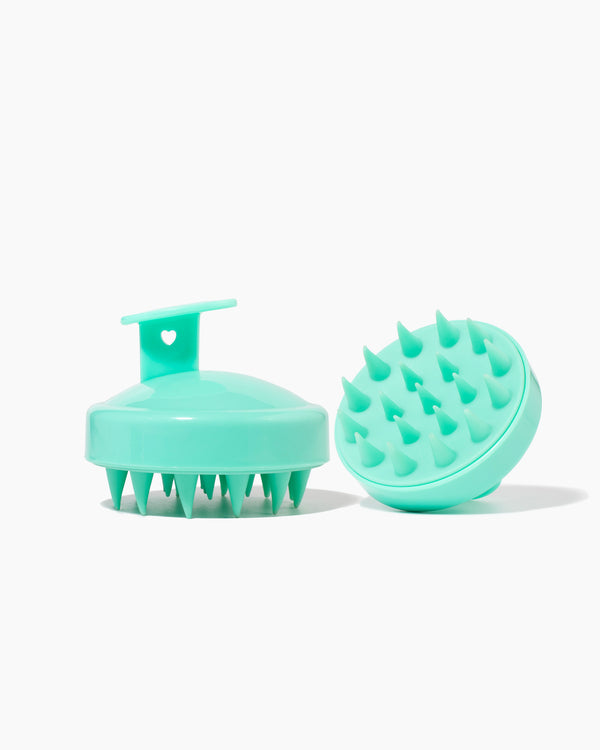
A gentle massage can feel pleasant during washing or before bed. Avoid vigorous rubbing or massaging an irritated scalp. Evidence is not strong enough to promise that a few minutes daily will regrow thinning hair.
Rosemary oil and scalp oiling
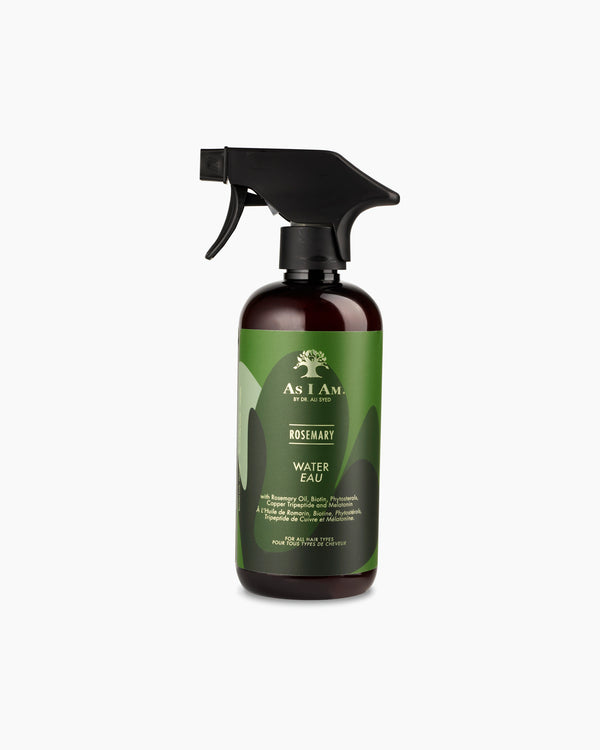
Rosemary-containing products are popular, but evidence for hair growth is limited and they are not substitutes for established treatment. If using a formulated scalp product such as Bali Curls Rosemary Grow, follow its directions rather than applying undiluted essential oil. Stop if it irritates.
Gentle care and nighttime protection
Where breakage is part of the problem, less forceful detangling and a smooth satin or silk surface may reduce friction during sleep. A loose nighttime style can also help. Our bonnet and nighttime-accessories guide offers practical ideas.
What supplements cannot promise
Hair often grows around a centimetre a month, with individual variation. Supplements do not reliably speed that rate in a well-nourished person. If correcting a deficiency helps, visible change takes time because new growth appears gradually, often over months rather than a fortnight.
There is no guaranteed three-month result for every product. Review progress with appropriate guidance rather than continuing indefinitely or increasing the dose when the cause remains unclear.
When to seek medical advice
Seek assessment for sudden or substantial loss, clearly defined bald patches, thinning with other symptoms or an ongoing unexplained change. Scalp inflammation, pain or significant itching also warrant attention. Do not use supplements as a way to postpone finding the cause. An examination and, where indicated, tests can guide treatment more usefully than another over-the-counter product.
What to remember
- A bigger wash-day bundle can include hairs shed over several days.
- A pale hair end is a clue, not a diagnosis of the cause of hair loss.
- Protect fragile lengths with gentle handling; supplements do not repair them.
- Choose supplements for an identified need, with appropriate advice.
- Seek assessment for sudden, substantial or persistent change and scalp symptoms.
Further reading: American Academy of Dermatology · AAD: postpartum shedding · NIH: biotin