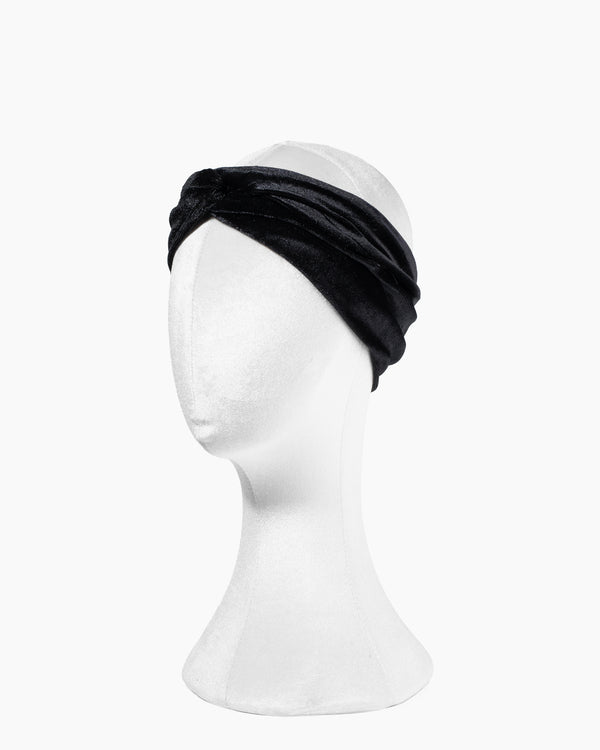


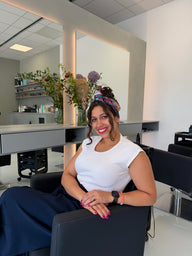
Curl routines often focus on shampoo, conditioner and styling. Accessories deserve attention too: the surfaces your hair touches and the way you handle it can affect how the hairstyle lasts. Here is a guide to useful helpers, including satin sleep bonnets, with practical advice on materials and use.
In this article:
- Why smooth materials can help
- Sleep bonnets
- Towels and T-shirts
- Pillowcases
- Satin-lined everyday hats
- Scalp massagers
- Bonnet drying attachments
- Frequently asked questions
Find your way through the article
Why do materials matter for curly hair?
Many curls are prone to a dry feel, tangles and friction. The cuticle’s condition varies from person to person, so not every curl has the same surface or porosity. Still, rough handling and snagging fabrics can disturb definition and contribute to wear.
Smooth materials and gentle techniques can reduce unnecessary rubbing. Silk, satin fabrics and suitable microfibre towels are common options, but their actual texture, quality and use matter as much as the name.
What is the difference between silk and satin?
Silk is a natural protein fibre. A smooth silk accessory can create less friction than a rough fabric and feel comfortable against hair and skin. It is often a more expensive option. Silk still absorbs some moisture, needs washing and is not automatically allergy-proof or antibacterial.
Satin is a weave that creates a smooth surface, not one particular fibre. It can be made from silk, polyester, nylon or other fibres. Synthetic satin is often more affordable and may be easier to care for, but always check the composition and washing label. A smooth satin finish can also help reduce friction.
Which surfaces can be less comfortable for curls?
Rough terry towels have loops that can catch hair, particularly when you rub them vigorously. Some coarse wool hats can create friction and static too. That does not make every towel or wool item inherently harmful: construction, lining and handling make a difference.
Curl tip: If frizz increases after drying or wearing a hat, review the surfaces and movements involved. A smoother fabric and gentler handling may be a useful change.
When can a satin sleep bonnet help?
A bonnet may be useful if your curls become tangled or lose definition during sleep. Keeping them loosely contained against a smooth surface can limit rubbing as you turn on the pillow.
Curl tip: For some longer or denser curls, a loose high ponytail, often called a pineapple, can sit inside a roomy bonnet. For others, simply gathering the hair loosely inside works better. Avoid pulling tightly at the roots.
Fit matters. A bonnet that is too tight may flatten volume or press on the hairline; one that is too loose may slip off. Compare a soft edge, adjustable fit or greater capacity according to your hair and comfort. It is an optional tool, not a requirement for successful care.
Which towel should you use?
A smooth microfibre towel or soft cotton T-shirt can be a gentler alternative to rough towel rubbing. The choice and technique can help preserve curl clumps while removing excess water.
Microfibre towel or cotton T-shirt?
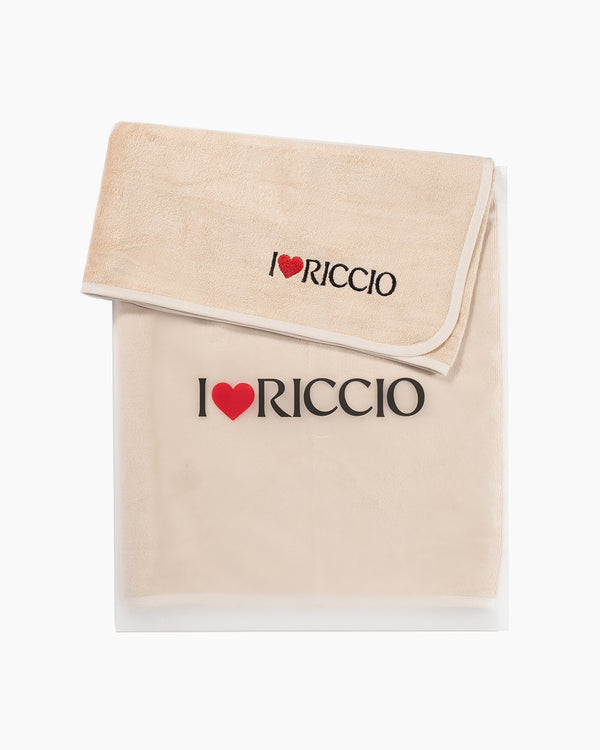
Both can offer a soft, reasonably smooth surface. Microfibre is usually absorbent and can remove water efficiently. A towel designed for plopping, such as an appropriate I Love Riccio model, may also have a convenient shape. Check the particular item rather than assuming every microfibre fabric feels the same: very fluffy or rough textures may snag.
A soft cotton T-shirt is an accessible alternative and may absorb water more slowly, depending on the fabric. It can work well if you want gentle handling and have a little more time.
The same rule applies to both: cup the ends and squeeze gently upwards rather than rubbing, scrubbing or wringing the lengths.
Do you need a satin pillowcase?
If you dislike wearing a bonnet, a smooth pillowcase is an alternative. Hair can slide over it with less friction than over a rough surface, which may help reduce tangles and preserve a hairstyle. It cannot guarantee that you will wake without frizz.
Its appeal is simplicity: put it on the pillow you already use. Some people like both a bonnet and a smooth pillowcase; others are comfortable with one or neither.
Curl tip: If you prefer natural fibres, consider a silk pillowcase. Check its actual composition, care instructions and any certification attached to the particular product. For example, where a Feel the Silk item carries an OEKO-TEX STANDARD 100 label, assess that specific label rather than treating it as a guarantee of every possible benefit. It does not mean the pillowcase can never leave a sleep crease or cause an individual reaction.
Wash pillowcases regularly, often about weekly, and follow the manufacturer’s directions. Silk may require a suitable detergent, gentle washing and a cool temperature; synthetic satin can have different instructions. Turning the item inside out may help protect the surface when the label permits that method.
What about satin-lined hats for outdoors?
Curl protection is not only a night-time issue. Wind, cold, dry indoor air and rubbing against headwear all influence how hair feels. A coarse winter hat may leave the surface fluffy or staticky.
A cap or winter hat with a smooth satin lining can reduce direct rubbing against the outer fabric. It may help preserve the style, though no hat guarantees unchanged moisture or shape. Choose comfortable sizing without pressure around the hairline.
Curl tip: Review the wider environment too. Seasonal changes, clothing collars and your drying routine can all explain why a hairstyle behaves differently.
Can a scalp massager improve hair quality?
A scalp massager can make cleansing feel relaxing and help loosen surface residue. That is different from proving that regular massage produces stronger, longer hair. Do not rely on a brush as a treatment for slow growth or shedding.
During shampooing, a suitable tool can help work around the scalp and release product residue, oil and loose flakes. This does not mean build-up was preventing nutrients from reaching the roots: hair receives its nourishment through the body, not through an uncleansed surface.
If the scalp is itchy or flaky, massage is not a substitute for finding the cause. Use only if comfortable, with gentle pressure and according to the tool’s directions. There is no need to commit to five or ten minutes every day or add oil for an assumed stronger effect. Persistent symptoms deserve appropriate advice.
Use soft tips rather than scratching with nails, and avoid vigorous circles that tangle the roots. Clean the tool regularly and stop if it irritates the scalp. Gentle handling and realistic expectations make it a more useful accessory.
A bonnet attachment for drying
A drying bonnet with a hose attachment is different from an ordinary diffuser bowl. A compatible design directs dryer air into a hood around the hair. It may reduce the need to hold and move the dryer constantly, but it is not the right choice for every routine.
Use only an attachment intended for your dryer and follow both manufacturers’ instructions on fit, airflow, temperature and supervision. Do not improvise by covering a dryer or diffuser with an ordinary satin bonnet.
A smooth lining and limited handling may help preserve definition, while the result depends on product, temperature and technique. The attachment does not seal all moisture into the hair: drying necessarily removes water. Once hair is fully dry, you can soften any styling cast with clean hands or a suitable smooth fabric, using gentle upward scrunching.