

Does your hair sometimes feel as thirsty as a camel in the desert? Has a dry look become your everyday normal? There are ways to help waves and curls feel softer and look fresher. Start with suitable products, gentle techniques and an understanding of what may be contributing to dryness.
In this article
- Common causes of dry hair
- Choosing products for dry lengths
- Caring for dry waves and curls
- Everyday details worth checking
What commonly causes dry-feeling hair?
Waves and curls can have drier lengths
If you have textured hair, dryness may be a familiar concern. Scalp oil travels along bends less easily than along straight hair, so the lengths may receive less of that natural coating. Across types 2A–4C, tighter patterns can make distribution more difficult, although porosity, strand thickness, condition and products matter too.
Environment, weather and build-up
Texture is not the only influence. Wind, strong sun, low humidity and movement between heated rooms and cold outdoors can change the feel of hair. Humid conditions can also alter its shape and frizz, but humidity is not simply another way of removing all moisture.
Curl tip: Our nine tips for reducing frizz explore ways to make waves and curls more manageable.
Accumulated residue, or build-up, is another possibility. Styling products, inadequately rinsed products and minerals from hard water can leave hair coated or rough and change how later applications feel. This does not mean every conditioning attempt is useless, but appropriate cleansing may help you understand what the lengths really need.
Conditioning and protein products
A routine that does not suit your hair may leave it stiff, coated, limp or dry-feeling. Protein-containing products and rich conditioners can affect different hair differently. Our protein-and-moisture guide explains why these observations are useful clues rather than a definitive diagnosis of an internal imbalance.
Have you recognised a possible reason for the desert-like feeling? Let us look at ways to improve comfort and manageability.
Which products should you choose?
Dry waves and curls deserve care that suits them. Here are the main categories to consider.
A suitable cleanser
Choose a formula that cleans the scalp without leaving the lengths unnecessarily rough. Read the label, but avoid assuming that all sulfates, mineral oils or alcohols have the same effect, or that a natural formula is always better. Cleansing strength and the complete formulation matter.
A mild low-poo shampoo can suit fine hair and waves. Some drier or more tightly curled hair responds well to cowash, a cleansing conditioner, but make sure it removes enough residue for your scalp. When build-up is the concern, an appropriate clarifying shampoo may help. Mineral deposits may require a product specifically intended for them.
Curl tip: Our shampoo guide compares regular gentle cleansing, cowash and clarifying options.
Condition consistently
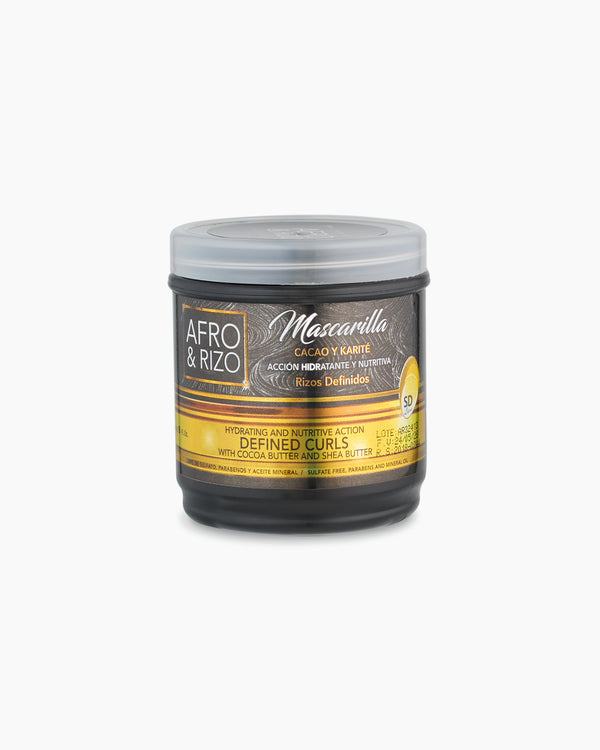
Conditioner provides slip and softness after washing. Use it through the areas that need it, with a texture and amount suited to your hair. A deeper conditioner or mask can be added when helpful; once every two weeks is a possible starting point, not a fixed requirement.
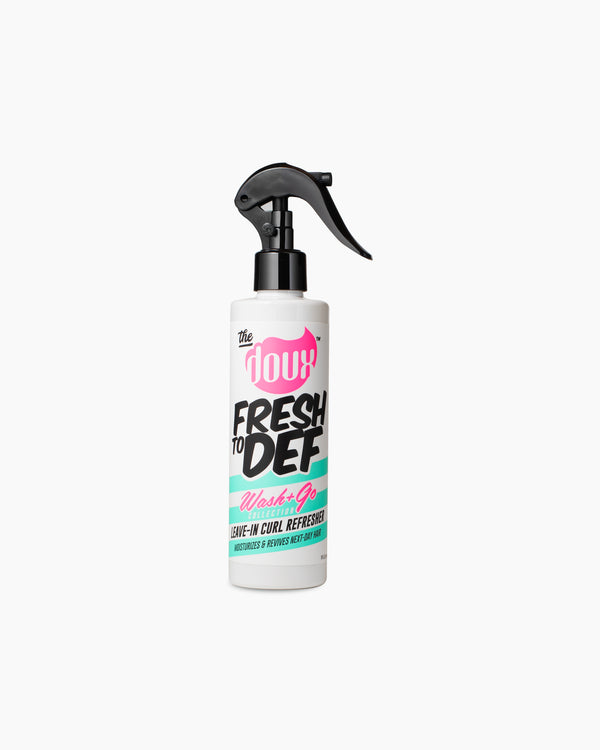
A leave-in can improve the feel of lengths between washes and help during a targeted refresh. Avoid using more than the hair needs. Frequent harsh cleansing can worsen a dry feeling, but the scalp should still be washed when it needs cleaning.
Styling dry-feeling hair
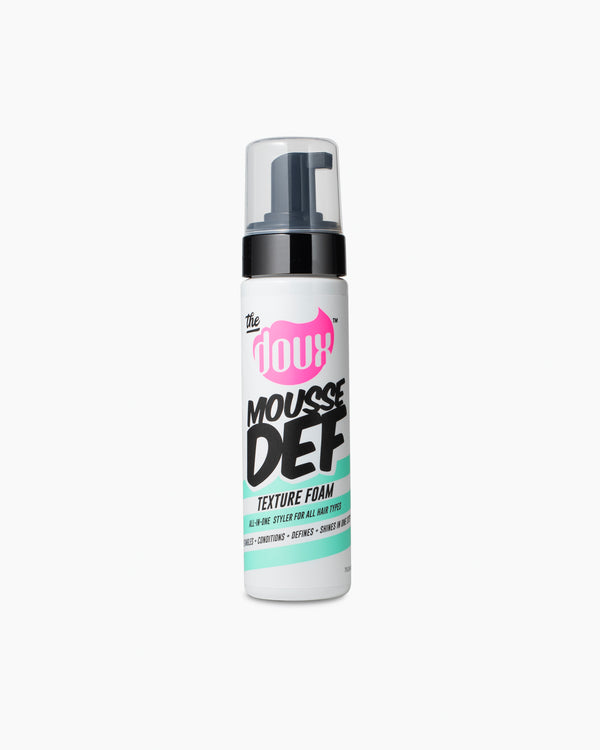
Styling is not only about appearance. Some formulas help smooth the surface, hold curl groups and limit moisture loss. Higher-porosity or coarser lengths may enjoy a richer cream or custard, while fine or easily overloaded hair may prefer lighter mousse or gel. Porosity is one factor, not a rule that every high-porosity head needs the richest product.
If using heat, consider a product specifically labelled for heat protection and follow its directions. Do not assume every styler provides it. If oil suits your hair, a small amount on dry ends after styling can add shine and reduce friction. It may be too heavy for some fine hair and does not replace conditioning.
How should you care for dry waves and curls?
Products are only part of the routine. Application and handling also matter. Our general care guide introduces techniques, but your task is to find the combination that leaves your own hair comfortable rather than copying every step.
Washing and detangling
Use comfortable water rather than very hot water, especially when the scalp or lengths already feel dry. You do not need extreme temperatures to control the cuticle. Focus shampoo on the scalp and roots, then gently cleanse the lengths when required rather than scrubbing them with every wash.
For detangling, many people prefer damp or wet hair with conditioner providing slip. Use fingers, a wide-tooth comb or an appropriate detangling brush, starting at the ends and gradually moving upwards. Wet hair still needs care; do not force a tool through resistance.
Applying care and drying gently
Apply suitable leave-in and styling products while the hair is wet or damp, as directed, to encourage even distribution and curl grouping. Some people with lower-porosity hair enjoy a comfortably warm towel or a purpose-made steamer during conditioning. This is optional; follow the mask and device instructions, avoid hot steam on skin and do not assume more heat means deeper or better care.
A smooth cotton T-shirt or appropriate microfibre towel can remove excess water with gentle squeezing. Do not rub roughly. Then air-dry or use a diffuser at a comfortable temperature and airflow. Our drying guide compares the advantages and drawbacks of both methods.
What else should you watch?
Weather and exposure can change the result even when your product choices are sensible. In strong sun, a suitable hat or scarf can reduce direct exposure. Wind and changes in humidity may call for different hold or conditioning. Glycerin-free products suit some people in certain conditions, but glycerin does not universally cause swelling or frizz: compare complete formulas and your own results.
Curl tip: Our summer and winter guides explain seasonal adjustments without requiring a whole new routine every time.
Night-time handling matters too. A smooth silk or satin pillowcase, comfortable protective style, satin accessories, headbands or a suitable bonnet may reduce friction. Keep them loose enough for comfort. Adequate drinking supports general health, but extra water alone does not repair dry lengths or replace conditioner.
We hope you now have a clearer idea of what to try, how to apply it and which habits to reconsider. If you enjoy a change in your curls, share your experience and tag Curliculum on Instagram or Facebook. Your routine can evolve as you learn what suits your hair.