


When you first explore the Curly Girl Method or a curl routine, choosing a conditioner can be confusing. Besides the familiar rinse-out version, there are leave-ins for extra conditioning and cowashes for cleansing. Do all those names leave you wondering which bottle does what?
This guide explains:
- What cowash is, who may enjoy it and how often to use it.
- The difference between cowash and ordinary conditioner.
- What leave-in does and how to apply it.
- A practical order for your care steps.
Find your way through the article
What is cowash, and could it suit my hair?
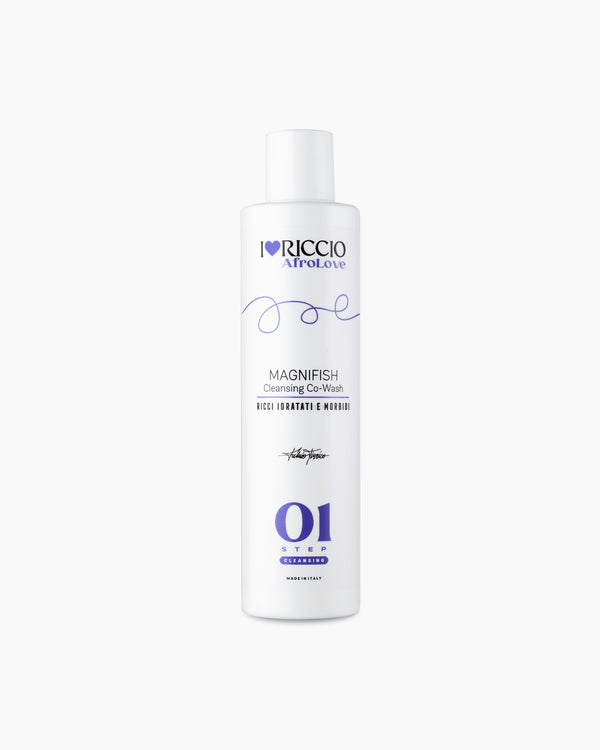
A cowash is a cleansing conditioner, designed for washing while providing a conditioned feel. Cowashing is common in curly-hair routines and in many interpretations of CGM. It is one option rather than a requirement for every wave or curl.
Our tip: Its main role is cleansing. Some hair still benefits from a separate rinse-out conditioner afterwards; other hair needs less. Do not assume either that cowash replaces every conditioning step or that everyone must add several more products.
What can cowashing offer?
Textured hair often appreciates conditioning, and porosity affects how it wets and how long the conditioned feel lasts. Some curls find cowash less stripping than their previous shampoo.
The cleansing action depends on the surfactants and complete formula, together with massage and thorough rinsing. Oils alone do not make a product equivalent to shampoo. Cowash may remove everyday dirt for one routine but fail to remove another routine’s styling residue. Scalp comfort and cleanliness decide whether it is enough.
How to use it:
- Wet the hair and scalp thoroughly with comfortably warm water.
- Apply the directed amount of cowash to the scalp and gently massage with fingertips.
- Spend time distributing it rather than rushing: around a minute of gentle massage may be a useful guide, unless the product says otherwise.
- Rinse thoroughly so loosened dirt and product residue are washed away.
If this wash method is new to you, these are useful points to clarify.
Rinse-out conditioner for softness, shine and detangling
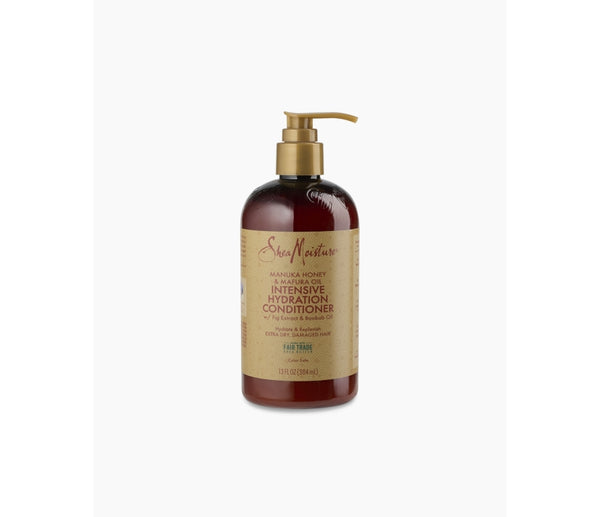
After shampoo or cowash, a rinse-out conditioner can soften the lengths and provide slip. Choose according to the hair’s condition and the result you want: easier detangling, less roughness, a lighter feel or richer conditioning.
It can improve the appearance and feel of dry or damaged lengths, but does not permanently mend split ends or treat every scalp concern. Apply where directed, allow the recommended contact time and rinse it out.
Leave-in: conditioning that stays in the hair
Leave-in is another option, especially when the lengths need more conditioning after the rinse-out step. It is often useful for drier or more porous hair, but the amount and richness still need adjusting.
What is a leave-in conditioner?
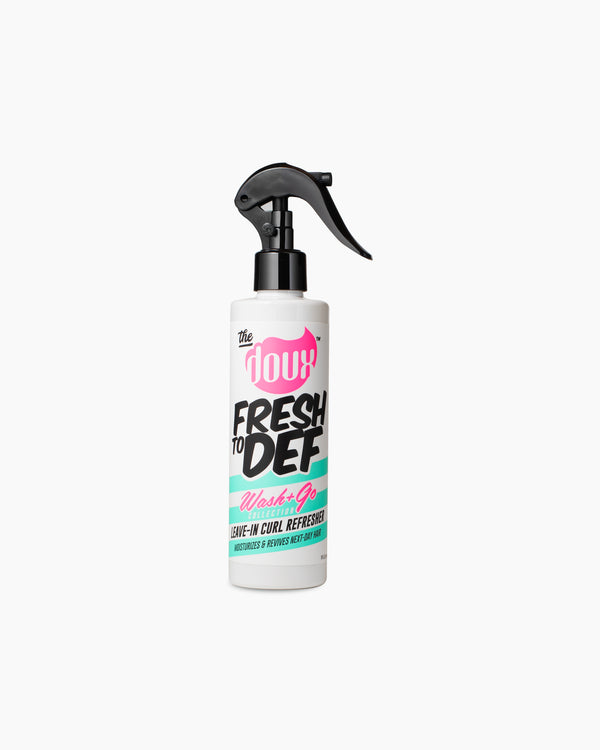
A leave-in conditioner is formulated to remain in the hair. Depending on the formula, it can improve detangling, softness, shine and manageability without a second rinse.
Possible benefits of leave-in
- Added softness and conditioning through the day.
- A smoother-looking surface and more shine.
- Easier handling and less rough, frizzy-looking texture.
- Quick application as part of styling or refreshing.
- Heat or UV-related protection only when the particular product makes that claim and is used as directed.
Ordinary leave-in should not automatically be treated as a heat protectant or sunscreen.
When and how to apply it
Use leave-in after cleansing and rinse-out conditioning, before gel or another holding styler. Think of it as an optional final conditioning layer rather than a reason to add as much product as possible.
Start with a small amount on clean wet or damp hair. For an average-density, mid-length style, a pea-sized amount may be a cautious starting point, but product concentration and strand thickness vary. Rub between your palms, distribute through the lengths and pay attention to the ends. Fingers or a suitable wide-tooth comb can help spread it evenly.
Once it feels evenly applied, continue to styling. Leave it in: that is what this formula is designed for.
Can I use ordinary conditioner instead of leave-in?
Use a rinse-out product as a leave-in only if the manufacturer allows that use. Some products are explicitly designed for both; others should be rinsed away. A rich rinse-out formula left in fine or easily coated hair may feel heavy, and intended contact time matters beyond texture alone. There is no need to improvise when a suitable leave-in is available.
A practical order for the products
Here is a quick reference for the three roles.
1. Cowash: the cleansing step
On thoroughly wet hair, apply the directed amount to the scalp, massage gently and rinse well. Replace or alternate with shampoo if that suits your scalp better.
2. Rinse-out conditioner: the detangling and conditioning step
Distribute through the lengths, especially the ends. With enough water for slip, you can gently scrunch upwards using squish-to-condish, or spread the product with a wide-tooth comb. Follow the contact time and rinse thoroughly with comfortably lukewarm water. Water temperature does not permanently lock conditioning inside the cuticle.
3. Leave-in: optional extra conditioning
Apply a small amount through the lengths where needed and do not rinse. Follow with your chosen holding styler. Skip or reduce this layer if the hair is already soft and easily weighed down.
Cowash, rinse-out and leave-in products are available at Curliculum. If the choice still feels confusing, contact us for help matching the steps to your hair.