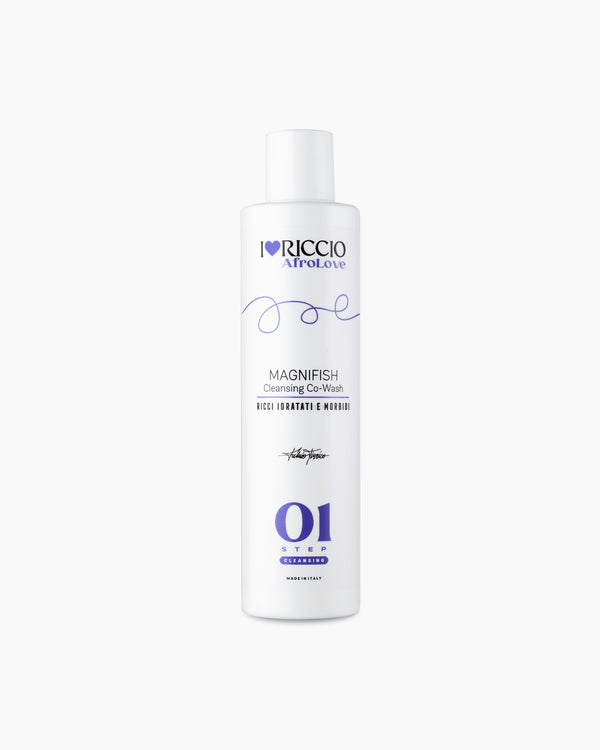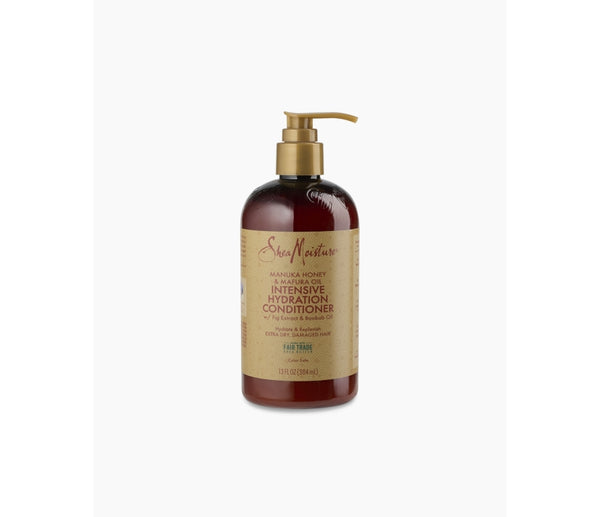



Washing curly hair means more than applying shampoo and rinsing. For waves and curls, the sequence can feel like a small ritual, and it has a real influence on the result. This guide explains wash day, a practical step-by-step routine and mistakes to watch for. Suitable care and products can help you feel more comfortable with your hair.
In this article
- What is wash day?
- A step-by-step routine
- Wash day versus a refresh
- Common washing mistakes
- Frequently asked questions
What is wash day?
Wash day is the day you cleanse your scalp and hair, then condition and style it. The aim is clean, comfortable roots and lengths, with definition and volume you enjoy, ideally lasting beyond the first day.
Why give it a whole name? Curly routines can take longer than washing straight hair. Scalp oil does not travel along bends as easily as along straight strands, so the lengths often benefit from additional conditioning.
How often do you need wash day?
Some people wash once or twice a week; others with tightly coiled hair prefer a longer interval. These are starting ideas, not rules. Scalp needs, porosity, texture, activity and products all matter. Someone with fine waves and frequent workouts may need more cleansing than someone with a different routine. Do not postpone washing an uncomfortable scalp to meet a curl-type timetable.
Curl tip: Exercise does not always require repeating a complete routine. Our guide to sport and curls explains how to decide between cleansing and refreshing after a workout.
A step-by-step wash day
The goal is clean hair and scalp, followed by conditioning and a shape you like. Adapt each stage to your own waves or curls.
1. Optional pre-poo preparation
Pre-poo means “before shampoo”. Shampoo need not be your first step: a suitable pre-wash mask, serum or oil, such as coconut oil, can be applied to the lengths beforehand. Some treatments suggest 20–30 minutes on dry hair; follow the actual product directions. This may make detangling easier and reduce the rough, dry feeling after cleansing. It is an option, not a mandatory way to prevent every kind of water-related damage or breakage.
2. Cleanse the scalp and hair
Keep the following principles in mind:
- Use comfortable water: Lukewarm is a useful starting point. Very hot water may irritate the scalp or feel harsh on dry lengths. Neither high nor low porosity requires an uncomfortably hot or cold rinse.
- Focus on the scalp: Oil and product residue often collect around the roots. Massage gently with fingertips. Rinsing cleanser through the lengths may be enough for some washes; cleanse them directly when needed without rough rubbing.
- Choose suitable cleansing: Mild low-poo shampoo may suit fine waves, while some drier curls enjoy cowash. Pattern alone does not decide what cleans adequately. Sulfates are not automatically harmful: the formula, cleansing strength and your needs matter. Our sulfate and shampoo guides explain more.
- Clarify when needed: A suitable clarifying shampoo removes accumulated residue. Some routines need it once or twice monthly, others differently. Consider it when build-up affects the result or after exposures requiring more targeted cleansing, rather than following a rigid schedule.
3. Condition and detangle
Conditioner is useful for slip and softness, especially through the lengths. Try “squish to condish”: gently cup and squeeze wet, conditioned hair upwards. Another option is “praying hands”, smoothing product along a section between your palms. You can combine them, first distributing the conditioner and then scrunching to encourage the pattern.
With enough conditioner slip, gently detangle using fingers, a suitable comb or brush, starting at the ends and working upwards. Our tool guide explains how to choose a comb or brush for your texture.
4. Consider deeper conditioning
Frequency depends on condition and response. Once every two weeks, or weekly in some routines, can be a starting point, but do not use a mask simply because the calendar says so. Application times vary; 15–30 minutes is common for some products, while others need less. Follow the pack. After clarifying, add appropriate conditioning if the lengths need it, rather than assuming every wash requires the richest treatment.
5. Style and dry
These are no longer cleansing steps, but they shape the wash-day result. Apply styling product to wet or damp hair as directed. Avoid vigorous towel rubbing first. A smooth microfibre towel or cotton T-shirt can gently remove excess water. Our styling-technique guide offers several application methods. Then air-dry or use a diffuser with a comfortable temperature and airflow.
Curl tip: Our drying guide compares air-drying and diffusing, including time, definition and scalp comfort.
What is the difference between wash day and a refresh?
Wash day cleanses and conditions the hair from the beginning. A refresh simply revives the style between washes. It may use a little water or suitable refresher instead of repeating the full cleansing and styling routine, saving time.
Curl tip: Refreshing can be useful on busy mornings or the second and third day after washing. Our guide explains options such as a spray bottle of clean water, an appropriate refresher or targeted leave-in application. Do not assume a homemade diluted product mixture can be stored like the original preserved formula.
Common washing mistakes
A routine may work well for a while and then need adjustment. Many small influences change the result. If something feels different, review the following habits.
- Putting wash day off too long: Residue and oil can accumulate. The scalp needs appropriate regular cleansing, even when you want to preserve a style.
- Avoiding shampoo entirely despite build-up: Cowash does not suit every scalp or remove every product. Add a suitable shampoo or clarifier when required.
- Going to bed with wet hair: Wet hair needs careful handling, and prolonged dampness may be uncomfortable. Plan enough drying time.
- Too much product and too little water: Sometimes a little more water helps spread a styler more evenly, while another layer of gel just adds weight. Follow the product’s intended use.
- Changing everything at once: Introduce products and techniques gradually so you can see what actually helps.
Curl tip: Our article on curly hair myths challenges other familiar claims that may complicate your routine.
A routine that suits you can support definition, volume and a finish that lasts. Finding it is rarely instant: products and techniques may take some trial and adjustment. Individual guidance can help narrow the options and avoid collecting products you no longer use. Curliculum offers cleansers, conditioners and stylers for building your wash day.