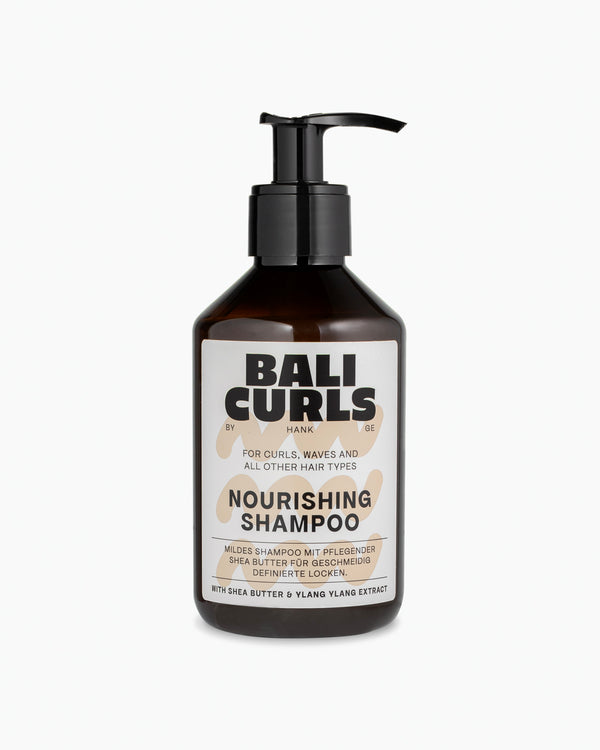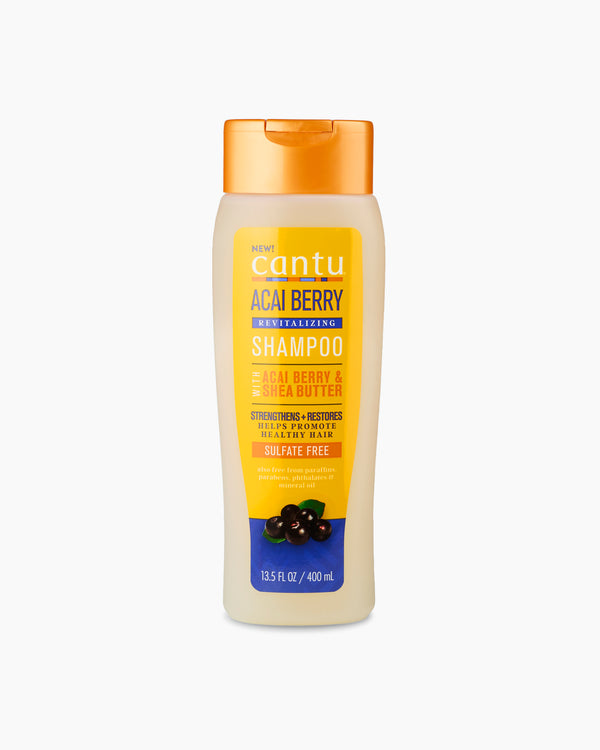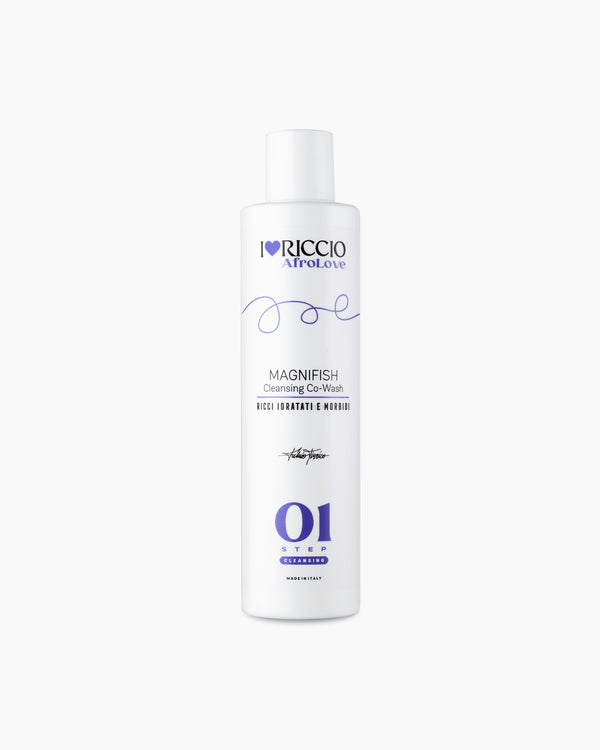



Feeling lost among shampoos for curly hair, or just beginning to build your routine? At Curliculum, we are often asked how the different cleansers compare and which one to choose. If you have the same questions, this guide will help you make sense of the options.
In this article:
- Choosing shampoo for curly hair
- Pre-poo care
- Clarifying
- Low-poo shampoo
- Cowashing
- Practical washing tips
Find your way through the article
Which shampoos suit curly hair?
For springy, shiny waves and curls, choose a cleanser that removes what your scalp needs removed without leaving the lengths uncomfortably dry. An overly strong cleansing routine can be drying, while an overly rich or mild one may leave residue. It is not accurate to label all sulfates, parabens, silicones, minerals or alcohols as harmful: their functions differ, and the complete formula matters.
Ingredients such as aloe vera, shea butter and oils can contribute to conditioning, but a “for curly hair” label or natural ingredient alone does not guarantee a good match. Read the product’s purpose, directions and ingredient list, then observe how your own hair responds.
Curl tip: Learning the common ingredient names helps you understand a label. Judge the whole product rather than relying on a single ingredient or marketing claim.
The terms you are most likely to encounter are:
- Pre-poo: care applied before shampoo, rather than a shampoo type.
- Clarifying shampoo: a more thorough cleanser for accumulated residue.
- Low-poo shampoo: a term commonly used for gentle shampoo, usually with a mild cleansing system.
- Cowash: a cleansing conditioner used instead of shampoo for some washes.
Each has a different role. Let’s look at how they fit into a routine.
What is pre-poo or pre-cleansing care?
Pre-poo means “before shampoo”. It is an optional step in which you apply an oil, conditioner, mask or purpose-made treatment before washing. The aim is to make the hair feel more protected and reduce a stripped feeling during cleansing.
It may be useful for dry waves and curls, especially along the lengths and ends. Depending on the product, it can improve slip and help limit excessive loss of surface oils.
How to use pre-poo
- Choose a suitable product. This may be an oil, mask or treatment intended for pre-wash use. Follow its directions, including any preparation instructions.
- Apply to dry or slightly damp hair. Focus on the lengths and vulnerable ends. Only apply it to the scalp if the product is suitable and your scalp tolerates it; scalp dryness is not always solved by oil.
- Leave on as directed, then wash. Some products need only a few minutes. A longer time is not automatically better. Follow with your chosen shampoo.
What is clarifying?
Clarifying is more thorough cleansing to remove accumulated styling products, oil and other residue from the scalp and hair. A clarifying shampoo generally cleans more strongly than a gentle everyday shampoo, though the cleansing system varies. For mineral deposits from hard water, look specifically for a chelating product: not every clarifying shampoo removes minerals effectively.
Removing build-up can help hair feel lighter and more responsive. It may be useful when beginning a new curl routine if old residue is affecting the result, but not everyone needs a special “reset” wash.
When should you clarify?
Clarifying shampoo is usually an occasional step rather than a replacement for every wash. There is no universal schedule: it depends on styling products, water, scalp needs and the formula. Once or twice a month is a possible starting point for some routines, not a requirement. A coated, sticky feeling or unexpected heaviness can be a reason to review cleansing, although they can have other causes too.
Afterwards, condition according to your hair’s needs. A richer mask may suit dry lengths, while fine hair may be comfortable with a lighter conditioner. The goal is clean, comfortable hair without unnecessary dryness.
Clarifying can refresh hair affected by build-up, but using an intensive cleanser too often can leave some curls feeling dry. Follow the directions and adjust the frequency to your results.
What is low-poo shampoo?
Low-poo is a commonly used name for a gentle shampoo, often formulated with mild surfactants. Ingredients such as coco-betaine or decyl glucoside may appear, but mildness depends on the complete formula and concentration. Neither a drugstore origin nor the presence of a sulfate alone tells you exactly how harsh a shampoo will be.
A suitable gentle cleanser can remove everyday dirt and oil while leaving curls manageable and comfortable.
Low-poo versus clarifying: what is the difference?
Low-poo is generally intended for routine use, while clarifying addresses more persistent build-up. A gentle formula should leave your hair clean without making it feel unnecessarily stripped, helping you maintain softness, definition and bounce.
Could a gentle shampoo suit me?
It can be a useful option for fine curls and waves, and for some low- or medium-porosity hair. Those are starting points rather than rules. Scalp comfort and cleansing performance matter more than a curl category alone.
What is cowashing?
Cowashing means cleansing with a purpose-made cleansing conditioner. It is familiar in many routines for type 3 and 4 hair. Such formulas usually combine conditioning ingredients with gentle cleansing and may produce little foam. The amount of lather is not a reliable measure of cleanliness.
The aim is to remove everyday dirt while keeping the hair soft and avoiding an overly stripped feeling. A normal conditioner is not necessarily formulated to clean in the same way as a dedicated cowash.
Curl tip: You do not need to fit your hair into a perfect category. Curl pattern and porosity can offer clues, but scalp needs and the way products perform are just as important.
Who might benefit from cowashing?
It can suit very dry, coarse or tightly curled hair that benefits from rich conditioning. Natural scalp oils do not always spread easily along these lengths, so a gentle cleansing option can feel more comfortable.
Some people use cowash for an extra wash after exercise or when they need to wash more often. Whether it cleans sufficiently depends on your scalp, sweat, environment and products. If you work around dust or contaminants, choose cleansing that actually removes them rather than assuming the mildest option is always enough.
Curl tip: For an active lifestyle, combine a comfortable hairstyle during exercise with a cleansing schedule that suits your scalp. Avoid tightly pulling the hair just to keep it in place.
Low-poo, clarifying or cowash?
Cowash may not remove heavier styling build-up and can leave fine hair feeling weighed down. If your hair still feels coated after washing, alternate with a suitable shampoo or introduce clarifying when needed. This can help balance thorough cleansing with gentle care.
Finding the right combination is rarely instant. It takes observation and a little experimentation. A comfortable scalp and curls that feel clean and manageable are more useful goals than following a fixed schedule. Here are the practical habits that can help.
Tips for washing curly hair
Choose cleansing according to your needs
Consider your scalp, hair condition, porosity and styling load. A gentle shampoo may cover regular washes; cowash is an optional alternative, and clarifying can be added if build-up calls for it. Avoid products that consistently leave your scalp uncomfortable or your lengths too dry.
Use lukewarm water
Wet the scalp and lengths with comfortably warm rather than hot water. Very hot water can be uncomfortable and drying. The cuticle is part of the hair fibre; it should not be confused with the follicle in the scalp.
Massage the scalp gently
Focus shampoo mainly on the scalp and massage with the pads of your fingers to loosen oil and residue. Avoid scratching with your nails. For lightly soiled lengths, the cleanser running through during rinsing may be enough; wash the lengths more directly if their product build-up requires it.
Condition after washing
Follow cleansing with the conditioning your hair needs. After a more intensive wash, dry lengths may appreciate a mask. Apply conditioner or mask mainly to the lengths unless the product is specifically intended for the scalp. A cowash may provide enough conditioning for some hair; add more only if needed.
More frequent is not automatically better
Washing removes some surface oils, so unnecessarily frequent or strong cleansing may leave the lengths dry. But there is no need to delay a wash when your scalp needs it. Choose frequency according to comfort, activity and the product you use.
Experiment and watch your hair’s response
Different lifestyles, hair types and environments mean there is no perfect washing guide for everyone.
If your hair feels dry, try a gentler shampoo, review conditioning or test a suitable cowash. If it feels greasy or coated, review how thoroughly and how often you cleanse; clarifying may help with actual build-up. Now that the names make more sense, choose a product for your own needs. The Curliculum team is happy to help you compare the options.