

Many people with curls would love a hard workout, more trips to the pool or more time for another favourite sport, but worry about their hair. Waves, curls and coils need different handling from straight hair, and combining that care with exercise can take some planning. How do you protect them from pool water or manage a sweaty scalp after the gym?
Here are practical ideas to help you enjoy your sport and your curls.
Find your way through the article
Exercise and curls: what is the difficulty?
It might sound minor until you are adjusting your hair tie for the hundredth time during a run or trying to fit your hair comfortably under a climbing helmet. During sport, curly hair may:
- Need securing to stay out of the way
- Become uncomfortable when tied too tightly
- Lose a style that took time to create
- Face chemical exposure or mechanical friction
Your scalp sweats too
Sweating is a common concern. Like the rest of your skin, the scalp releases sweat, which contains water and salts. Sweat is not primarily a way of removing “toxins”. Together with oil and product residue, dried sweat can leave the scalp feeling uncomfortable or coated. Some people notice itching or irritation, which is a reason to review cleansing rather than simply adding more styling product.
Swimming in a pool or the sea
It is tempting to think that more water automatically means more hydration. Yet chlorinated pool water and salty seawater can leave hair feeling rough or dry. They are not the same as applying a conditioning product, and rinsing after exposure matters.
But what about my hairstyle?
Loose hair suits only some sports. Most people with longer hair want strands away from the face and neck, without catching on equipment. A very tight ponytail may hold everything in place but flatten the curl pattern or pull uncomfortably.
None of this means curls and sport cannot coexist. A few suitable choices can make them easier to combine.
Protecting curls in the pool, gym and other sports
Headbands, caps, scarves and appropriate products
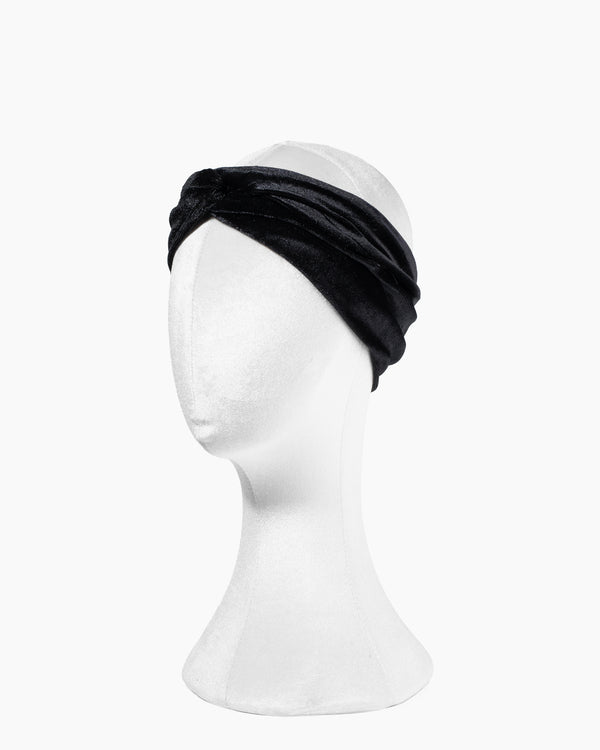
For short or medium hair, an absorbent headband can help manage sweat. It can also secure shorter front sections as part of another style. Depending on the activity, a suitable cap, swimming cap or scarf may help keep hair contained. Avoid accessories that interfere with required safety equipment.
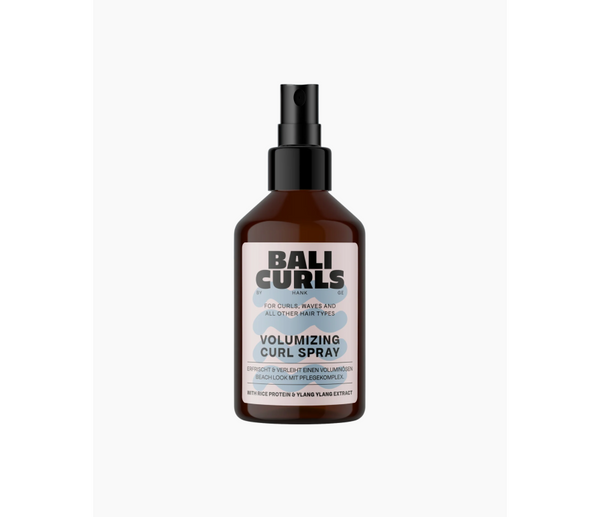
A suitable leave-in or styling product may help the lengths remain manageable, but it does not form a complete shield against sweat, chlorine or salt. Follow the product directions and, when swimming, the pool’s rules about products in the water.
A small amount of oil can coat the hair, but oil and water not mixing does not make hair waterproof. Do not rely on oil as complete pool protection. A well-fitting swim cap can reduce exposure, although it is not always watertight. Rinse with fresh water after swimming and cleanse with a suitable product when needed; cowash will not necessarily remove every kind of residue.
Our tip: Our summer curl-care guide explores protection from pool and seawater exposure in more detail.
Comfortable protective styles for exercise
A pineapple, the loose high gathering many people also use at night, can be useful. Very long hair may work better in two loose sections. Satin scrunchies and appropriately sized puff cuffs can help secure dense curls or afro-textured hair without relying on excessive tightness. No accessory guarantees zero frizz or breakage, but smooth surfaces and a good fit can reduce snagging.
Braids are practical too. Coloured accessories can complement a performance outfit for dance or skating. Keep them comfortable: braids should not hurt after a few hours or pull strongly at the roots. Repeated tension can contribute to breakage and hair loss. Twists offer another option. Low-profile styles may fit under a helmet more easily, but always check that the helmet fits correctly rather than forcing it over a bulky hairstyle.
A high bun is quick and popular, but a heavy, tightly pulled bun can strain the roots. Leave some room at the crown, secure it with a gentle tie and vary the placement. Comfortable tension matters more than making a style stay perfectly unchanged through every movement.
Washing, refreshing and planning your routine
More cleansing when sweat or residue requires it
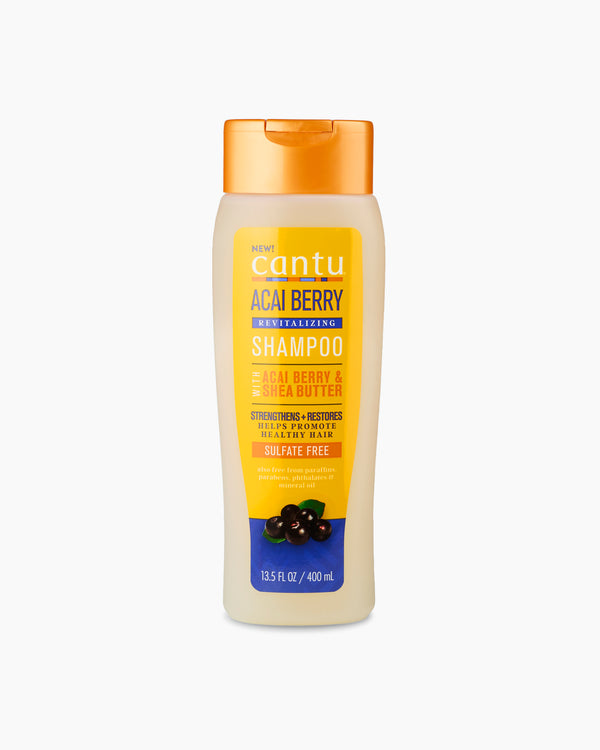
A cap or hairstyle does not stop your scalp sweating, and a covered scalp may feel warmer. After a heavy session, assess how it feels and clean it when needed. Cowash can suit some people, while others need a mild shampoo to remove sweat, oil and products effectively. Fine or less porous hair may prefer lighter formulas. Active people who use lots of styling may occasionally need clarifying, but frequency should follow actual build-up and comfort rather than exercise alone.
Planning makes a difference
Have you ever spent ages washing and defining your curls just before a hard training session or match, then needed to repeat it? Scheduling a wash day around demanding activity can save work. A paper or digital planner with “wash day”, “refresh day” and “good hair day” notes can help coordinate training and hair care. You do not need a special accessory to make that system useful.
A refresh may be enough
If the scalp still feels clean and comfortable and only the hairstyle has changed, try a gentle refresh. A suitable refresher or one of the techniques in our between-wash guide can help bring back shape without a full wash. Do not use styling to cover up a scalp that actually needs cleansing.
Steam: an optional styling aid
Some people find that mild humidity helps reshape curls. If you enjoy a steam room after exercise, follow the facility’s guidance and your own heat tolerance; it is not necessary for hair care. Avoid direct hot water or hot steam on the hair and skin. If a little bathroom humidity helps your style, finish with a suitable small amount of styling product if needed. More heat is not automatically better.
Keep a spare tie or clip nearby
Even a carefully chosen hairstyle can loosen during an intense session. A spare gentle tie or clip in your bag is useful. Choose smooth accessories designed for the amount of hair you have, so that securing it again does not involve pulling or snagging. Satin scrunchies and suitable curl clips are possible options.
Ready to head to the gym or pool? We hope these ideas make it easier to enjoy exercise while caring for your natural texture. Curliculum offers hair products and accessories to help you build a practical routine.
Explore accessories and care for active curls.