

Are straighteners your best friend when it comes to smoothing stray strands or dealing with a head full of chaos? Perhaps you are considering something that feels frightening and freeing at once: putting them aside and starting a new chapter with your natural curls. What happens if you let your hair be itself, without reaching for a smoothing tool?
It may take some adjustment, but you do not have to figure it out alone. At Curliculum, we want to help you understand what to expect, how to care for hair without relying on straightening and what makes this journey worthwhile. Suitable products, techniques and a little patience can make it easier.
In this article
- Why give your natural hair a chance?
- What to expect at the beginning
- First steps after years of straightening
- The foundations of a curly hair routine
- Common transition mistakes
- When might you notice a difference?
Why put the straighteners aside and welcome your natural hair?
Repeated high heat can damage hair, sometimes gradually over years. Many straighteners operate around 180–230°C. Such heat can damage the cuticle, the hair’s protective outer layer, making hair more vulnerable to dryness and breakage. Instead of shine and supple curls, you may find brittle, dry strands. It can become a frustrating cycle.
Take a step back and consider why straightening became part of your routine.
- Were you tired of comments about messy hair?
- Did stray strands make you dislike your reflection?
- Did caring for waves or curls feel unfamiliar?
- Were you unsure how to style your natural texture?
- Did you feel textured hair looked less presentable?
Your curls are not a fault to fix. They are part of your individual appearance and deserve care rather than a constant battle. Putting aside the straighteners can therefore mean more than changing a routine: it may be a step towards feeling comfortable with your natural texture. Sabina, Tery and Miška describe similar experiences in our curl transformation stories.
Curl tip: After years of straightening, you may not know your natural pattern. Our hair-type guide introduces textures from soft 2A waves to tightly coiled 4C hair.
From straightening to natural curls: what happens first?
Expect an adjustment period. Different areas may behave differently: some strands curl strongly while others remain wavy or relatively straight. Learning to handle that variation takes time. Your routine can improve the look and feel of hair, but permanently heat-damaged sections may not regain their original pattern and may need to grow out. The process can take weeks or months, depending on your hair and the changes you make.
What might feel unfamiliar?
- Frizz
- Less predictable definition
- Noticeable dryness
- The feeling that your hair looks unfinished
- A strong temptation to straighten it again
These experiences can be frustrating, so it helps to anticipate them rather than see them as failure.
Curl tip: Our blog explores common concerns such as frizz, fine hair without volume and oily roots.
A salon experienced with curls can be a helpful starting point. A suitable cut, advice on definition and guidance on products can make the early stages more manageable.
What are the first steps after years of straightening?
Step one: get to know your hair
Your curl pattern is only part of the picture. Porosity describes how readily hair takes up and loses moisture, and can help you understand why products behave differently on your hair.
- Higher-porosity hair, including hair affected by heat damage, has a more disrupted cuticle. It may take up moisture readily but also lose it more easily. Conditioning and reducing further damage matter.
- Lower-porosity hair has a more compact cuticle and can be harder to wet or coat evenly. Suitable product textures and careful application can help, without needing excessive heat.
Curl tip: If this feels confusing, individual guidance can help you narrow down products and build a routine for your hair.
Step two: consider a cleansing reset
Many curl routines begin with a “reset” wash. Residue from styling, heat protection and other products can build up and affect how the hair feels or responds. A suitable clarifying shampoo can remove that residue. Silicones are not inherently harmful, and not every silicone-containing product creates the same build-up. Clarify when your routine and scalp need it rather than treating a monthly schedule as compulsory. The product may remain useful for occasional cleansing later.
Step three: choose your products
Hair exposed to frequent heat may benefit from gentle cleansing, conditioner, an appropriate mask or treatment and a styling product. A mild shampoo or suitable cowash can be an option. Choose formulas according to your needs: ingredient categories such as parabens or minerals are not automatically damaging. Some drying alcohols may not suit you, while fatty alcohols are common conditioning ingredients. Explore how conditioning and protein-containing products affect your hair rather than assuming every head needs the same balance. Our moisture-and-protein guide explains more.
What are the foundations of a curly hair routine?
Wash day: low-poo, cowash or clarifying?
Overly harsh cleansing can leave curls feeling dry, but adequate scalp cleaning is still important. Here is what these terms mean.
- Low-poo: A mild shampoo, often sulfate-free, used for regular cleansing. It can suit finer hair and waves, depending on the formula.
- Cowash: A cleansing conditioner. Some people with more tightly curled hair, such as 3B and above, enjoy its conditioning feel, but pattern alone does not determine whether it cleans enough for you.
- Clarifying shampoo: A stronger or more targeted cleanser for accumulated residue, used when needed. Some routines need it roughly monthly; others do not.
Our shampoo guide helps you compare the options.
Conditioning: keep conditioner in the routine
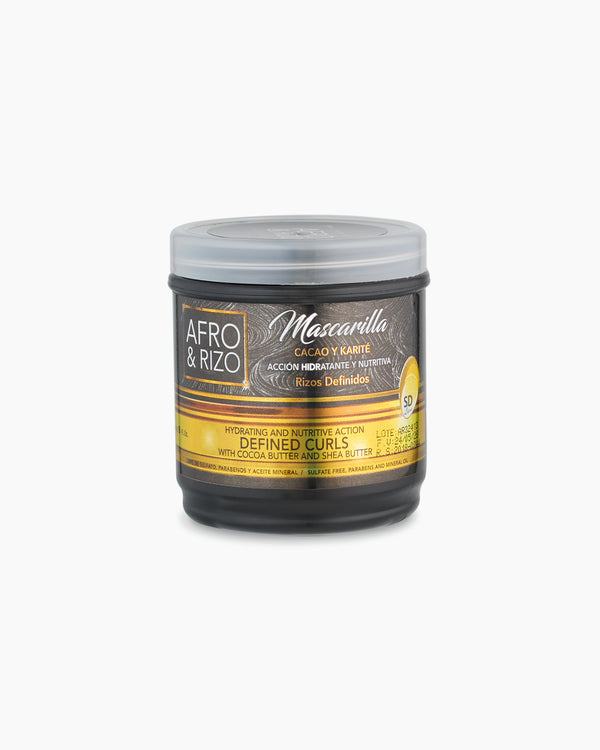
Conditioner improves slip and makes detangling easier. Use an amount and texture that suit your hair. A deeper mask can be added as needed; once every two weeks is a starting idea, not a requirement. Leave-in conditioner can help the lengths feel conditioned between washes and may be useful during a refresh. Our conditioner guide explains which type to use and when.
Styling: how do you hold the shape?
Styling products can help hold a shape, support definition and reduce moisture loss or roughness, depending on their formula.
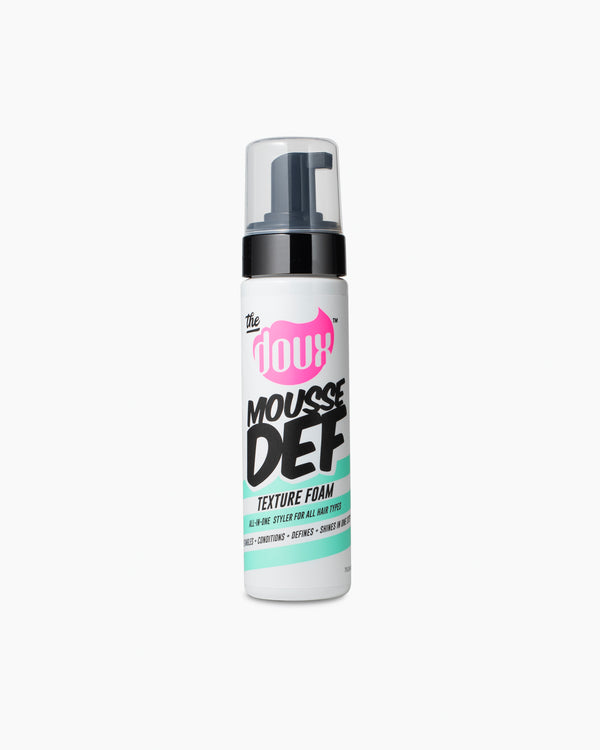
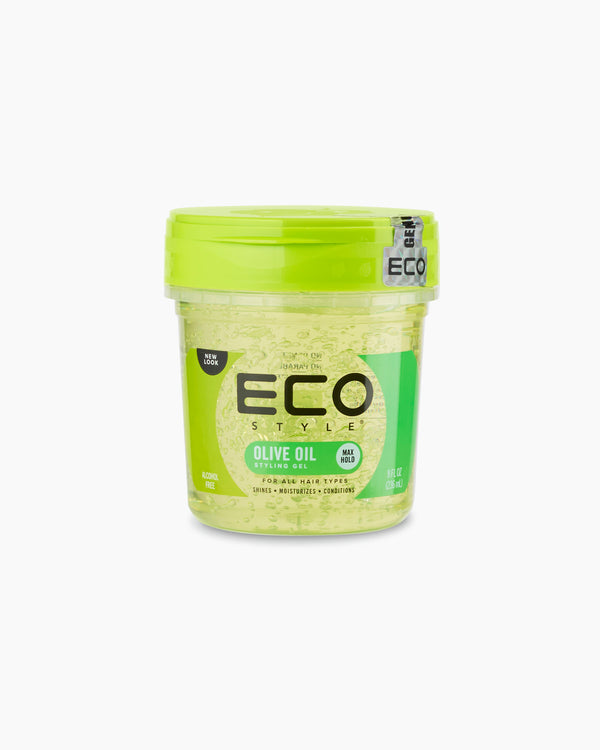
Light mousses and gels often suit fine hair and waves. Richer curls may enjoy creams or custards, provided they do not feel heavy. Apply to wet or damp hair according to the product directions and gently scrunch upwards from the ends. Our styling-technique guide offers more methods to try.
Drying: air-dry or diffuse?
Let curls air-dry or use a diffuser at a suitable temperature and airflow to preserve the shape you have created. Both have advantages and drawbacks, which our drying guide compares. Avoid vigorously rubbing hair with a rough terry towel. Instead, gently squeeze out excess water with a smooth microfibre towel or cotton T-shirt.
Common mistakes when returning to natural curls
Using too many new products at once
It is easy to get excited, but start simply: a regular cleanser, conditioner and one styling product, with a clarifier if needed. Adjust according to the response. Too much product can flatten hair and leave residue, making it harder to work out what is helping.
Comparing your progress with someone else’s
No two heads of waves or curls are identical. A friend may see defined spirals after one week, while you take months to find a result you like. That does not automatically mean you are doing something wrong. Give yourself time to learn techniques, spot problems, choose products and observe your own hair.
Losing patience on difficult days
There will be mornings when familiar straighteners feel tempting: a missed alarm, an important meeting or a special occasion can make an easy fallback appealing. If reducing heat is your goal, prepare alternatives. Try a quick refresh, a simple curly hairstyle, a scarf or a headband. One difficult day does not define your journey; focus on habits that limit repeated heat exposure.
Overlooking the haircut
A suitable cut can remove weight that pulls curls down, add volume where you want it and help loose curls form naturally. Keep up with trimming damaged ends even if growth feels slow, and look for a stylist experienced with your texture.
When might you notice a difference?
Some people notice changes over three to six months of consistent care, while growing out years of damage can take a year or more, particularly with long hair. These are broad expectations, not promises. Existing damage cannot always be reversed, and the time needed depends on the extent of damage and your desired length.
Does that sound discouraging? Try to see each week with less heat as time spent discovering what your hair can do. Take a photo each month under similar conditions: looking back may make gradual changes easier to appreciate.
If you would like support, our Instagram and Facebook communities offer opportunities to exchange experiences. Share successes and setbacks, ask questions and find inspiration. Your natural hair deserves a chance to be seen.
Explore care for your curls at Curliculum.