


Hot, dry summer weather can change what your curls need. Comfortable conditioning and reducing excessive moisture loss become especially useful when sun, heat and swimming challenge your usual routine.
Here is how to care for curly hair in summer, choose products, limit unwanted effects and continue caring for it after a sunny holiday.
Summer curls: condition and help retain moisture
Curly hair often needs a different approach from straight hair and can feel naturally drier. Every head of waves or curls is individual, so finding the right combination may take time. The aim is manageable, comfortably conditioned hair rather than simply layering on more product. What should you look for?
Which products suit summer curl care?
Conditioners and masks
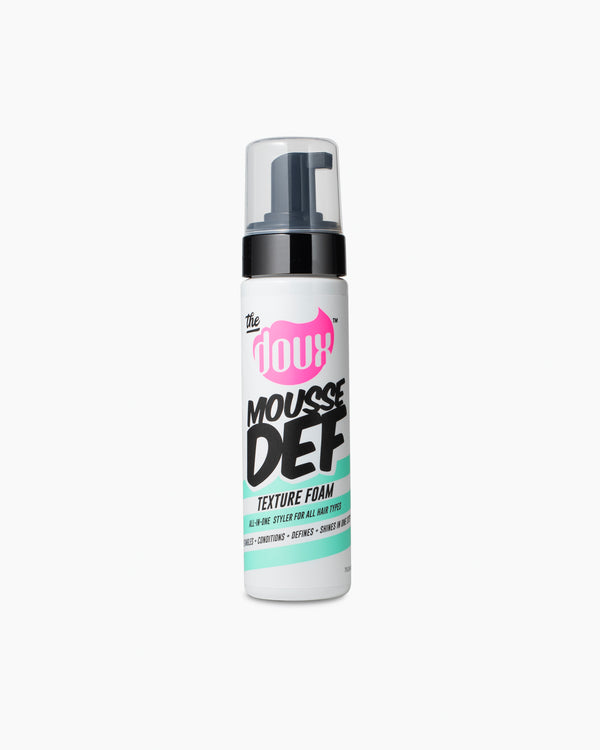
If heavy butters and thick creams weigh your hair down in summer, try lighter options. Rinse-out conditioner, leave-in when needed and light foams or sprays can provide care and styling without excessive weight.
Lengths exposed to lots of sun and heat may benefit from a mask or more intensive conditioning around once a week. Adjust the frequency to the product directions and your hair: repeated exposure does not automatically mean every curl needs the same treatment.
Humidity may also change the appearance of the hair, causing swelling and frizz. The familiar halo of flyaway strands can be frustrating. Suitable conditioning and hold can help; some hair also responds well to a protein-containing product. Protein is an option to assess, not a universal cure for frizz.
Oils
Once hair is conditioned, a little oil can help lubricate the surface and reduce moisture loss. Lighter-feeling options include grapeseed- or jojoba-containing formulas, while argan oil is another popular choice for a softer feel. Oil does not supply water by itself, and fine hair may need very little.
Coconut oil may also suit some lengths, but do not rely on it or any ordinary plant oil as sunscreen. A claimed natural SPF is not a dependable substitute for tested sun protection.
How to protect curls during summer
Think about both the hair and the scalp: appropriate conditioning, sensible sun exposure and care around pools, lakes and the sea all matter.
Sun: hair can be weathered too
Intense sunlight affects more than the skin. Repeated UV exposure can weather the hair surface and contribute to changes in colour, feel and manageability. The scalp beneath the hair can also burn, particularly where it is exposed along the parting or through sparse areas.
Cover the hair and scalp
A hat or suitable head covering is a useful physical barrier. Scarves, caps and turbans can also complement an outfit, although their coverage and protection vary. Do not assume sesame oil or another ingredient makes a product an adequate UV protectant; choose products with a stated purpose and follow their instructions.
Comfortable braids, a pineapple, a loose bun with a satin scrunchie or a suitable PuffCuff-style fastener can help gather hair under a covering. Avoid pulling tightly.
Refresh according to your hair and scalp
Heat and head coverings can mean more sweating. You do not necessarily need a full wash after every warm day, but scalp comfort and cleanliness matter. If the scalp feels fine and only the lengths need reshaping, a refresh may help.
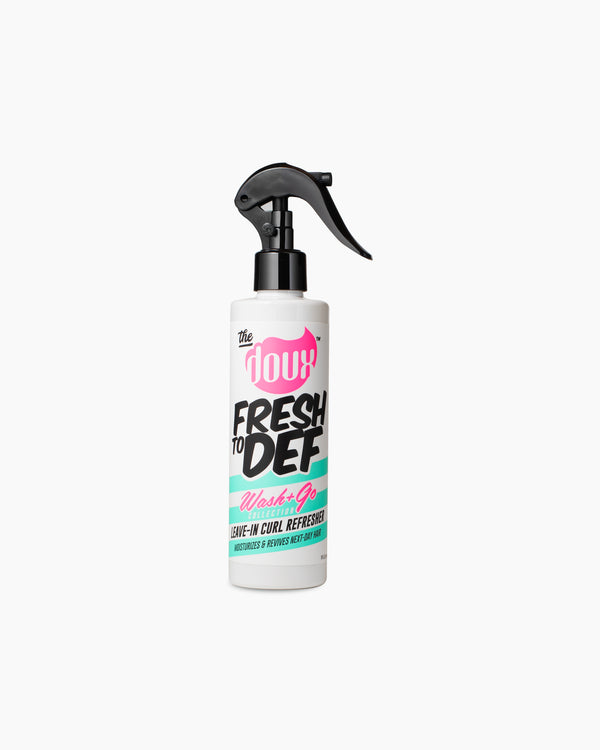
A light mist can reactivate some remaining styling product, and a little suitable conditioner may improve softness. A refresh restores the style; it does not cleanse sweat or residue from the scalp.
Our tip: Our refresh guide explains ways to revive appearance and shape between washes.
You may also explore cowash if it suits your scalp and hair. The source options include Pretty Curly Girl Peppermint Co-wash Conditioner and Jessicurl Hair Cleansing Cream; check each product’s purpose, as the latter is a gentle cleanser rather than a reason to treat all cleansing products as interchangeable. Fine hair may still prefer its usual low-poo shampoo.
The protein question in summer
UV exposure can affect hair proteins over time. Some sun-weathered hair responds well to protein-containing conditioning products, but they do not undo every kind of damage. If you are unsure whether to adjust conditioning or protein, our moisture-and-protein article offers a starting point.
Water: swimming is not the same as conditioning
A swim does not automatically leave curls moisturised. Pool chemicals and repeated salt-water exposure can leave hair rough or dry-feeling. How can you reduce those effects while enjoying the water?
Consider a swimming cap
A well-fitting cap is useful for regular swimmers and underwater activities. It can reduce direct exposure and keep hair out of the way, although it does not guarantee that no water reaches the hair.
Use suitable cleansing after exposure
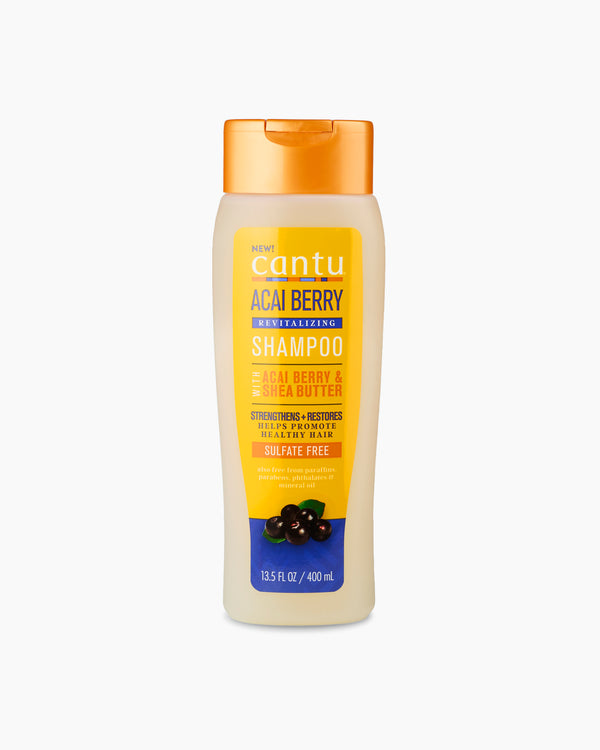
If you swim without a cap, or water gets underneath it, rinse and cleanse as needed. A suitable clarifying shampoo can remove product residue, while a chelating cleanser targets certain mineral or metal deposits. The terms are not identical, so choose a product intended for the residue you need to remove.
Mineral buildup may be relevant after swimming or when washing regularly in hard water. Follow the chosen cleanser’s directions instead of assuming every strong shampoo removes chlorine, salts and all minerals in one step. Condition the lengths afterwards as needed.
Choose pre-swim products thoughtfully
Oils are hydrophobic, meaning they repel water, and some can provide a partial surface barrier. They do not fully waterproof hair or replace rinsing and cleansing. If a product is intended for use before swimming, follow its directions and the pool’s rules about products on hair.
Care does not end when the holiday does
Unpacking after a beach holiday does not mean your summer routine stops being relevant. Sunny conditions continue beyond a trip, and exposure varies with place, weather and activity. Keep considering scalp coverage and the condition of the lengths through the season.
If you want a product for heat or sun-related care, check its specific claims and instructions. Lola Cosmetics includes products to explore alongside the rest of your curl routine; do not assume every product from a brand provides the same protection. Find suitable options in the Curliculum shop.
With thoughtful care, summer does not have to mean giving up soft, defined curls. Start with what your hair actually needs and adjust the routine as conditions change.