

Calling everyone with wavy hair! Keep this guide handy for practical advice on caring for your texture and helping waves look defined, soft and shiny with less frizz. We cover:
- Choosing suitable products for waves.
- Care methods and styling techniques.
- Common problems and how to approach them.
Do I have wavy hair?
No two heads of textured hair are exactly alike. Shape-based categories can nevertheless help you find a starting point for products and techniques. Finding your favourites still takes experimentation, but the categories can point you in a useful direction.
Curl tip: Pattern is not the only consideration. Porosity also affects how hair takes up and loses water and relates to cuticle condition. More porous hair can wet readily but lose its conditioned feel quickly; lower-porosity hair may wet more slowly and get coated by rich products. Lighter formulas and careful application can help. Gentle warmth may suit some treatments if the instructions allow it, but heat is not automatically needed. Our porosity guide explains more.
In a common visual classification, type 1 is straight hair. Textured groups are:
- 2: wavy.
- 3: curly.
- 4: tightly coiled or Afro-textured.
Each group is divided into A, B and C. Waves therefore fall broadly into 2A, 2B or 2C. What is the difference?
2A waves are relatively loose. The bend may start around ear level or lower, leaving the upper section looking straight. If you have always straightened that slight bend, you may not have recognised your waves.
2B waves form clearer, flatter S shapes. Achieving consistent definition can take some practice.
2C waves have stronger S shapes and may include occasional loose curls, without forming regular spirals throughout. Mixed patterns are common.
How do I choose products for wavy hair?
Curly Girl routines often avoid certain sulfates and silicones, but “natural” alone does not determine suitability. Look at the complete formula, how thoroughly it cleans and how much weight it leaves on your hair.
Some silicone-containing stylers smooth the surface and add shine. Depending on the formula and routine, residues may also build up and make waves feel heavy. That does not mean every silicone creates an impenetrable coating.
Intensive cleansers can remove buildup but may leave dry lengths feeling stripped. Find a balance: a regular cleanser that suits your scalp and an occasional clarifying wash when residue calls for it, rather than using a strong wash every time.
Curl tip: Ingredient names are not a simple list of good and bad substances. Some routines avoid drying alcohols or certain film-formers; preservatives and mineral-derived ingredients should not all be labelled harmful. Water-soluble silicones are one option in an adapted routine. Our label-reading guide helps you interpret the list.
Products for washing waves
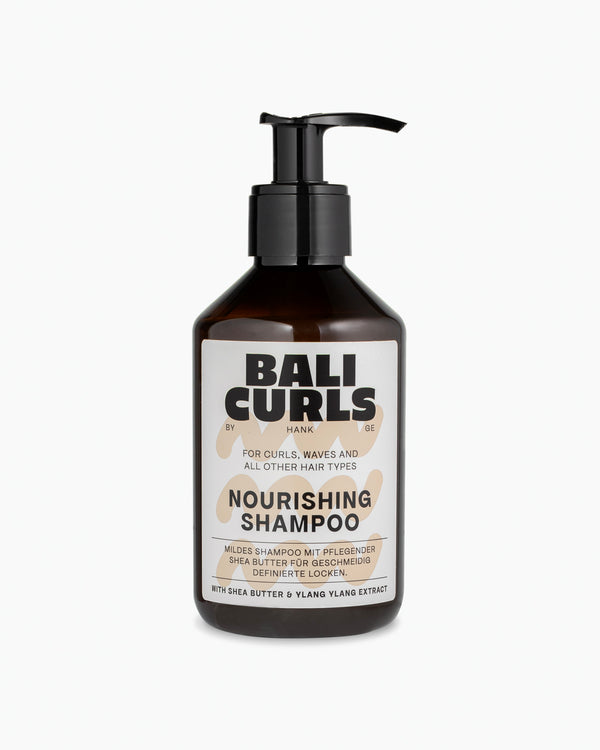
A gentle low-poo shampoo is often a useful starting point for waves. Cowash, a cleansing conditioner, can also clean while conditioning, but rich versions may weigh down fine waves. Lighter cowashes can work for some hair. Compare the result rather than assuming one method is compulsory.
Clarify when needed: for example, some cowash routines benefit from a deeper clean once or twice a month, while others need a different interval. A suitable clarifier can help when waves feel coated or the usual routine stops working.
Products for conditioning waves
Conditioning matters for waves too. A light rinse-out conditioner can soften the lengths and help with detangling. Leave-in is an optional extra, useful both after washing and for a refresh when waves need their shape restored without a full wash.
Coarser, drier, more porous or colour-treated waves may enjoy leave-in. Fine waves that get coated easily may prefer a smaller amount or none at all. Adjust to the hair rather than the label alone.
A mask offers more intensive conditioning when needed, with frequency adapted to the hair and season. Weekly use may suit some routines; others need it less often. Some formulas include protein ingredients as well as conditioning agents.
Curl tip: Moisture versus protein is a frequent question. Dryness, dullness, unusual stretch or brittleness can prompt a closer look, but none alone proves a specific deficiency, and shedding should not automatically be attributed to cosmetic protein needs. Our moisture-and-protein guide helps you evaluate the routine.
Products for styling waves
Styling helps waves retain their shape and is easy to overlook. Insufficient hold or a technique that disturbs the strands may contribute to a less defined, frizzier result, alongside weather and the condition of the hair.
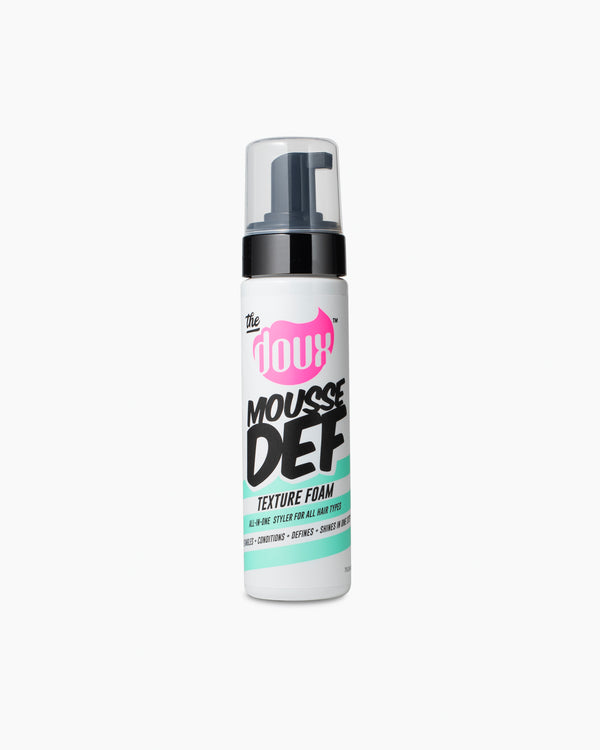
Choose products that do not add too much weight: light foams, suitable gels or an activator to enhance the wave shape. Our styling-product guide can help you narrow the options according to the result you want.
How should I handle wavy hair?
Products are only part of the story. Techniques matter too, and some trial and error is normal. What suits one person may not suit another; occasionally a small change makes a noticeable difference.
Washing and conditioning waves
Even detangling timing can change the result. Many waves are easier to detangle while wet with conditioner providing slip. A wide-tooth comb can help distribute the conditioner as well as separate knots. Work gently rather than forcing through tangles.
Try squish-to-condish: cup and squeeze the wet lengths upwards from the ends towards the roots. Bending forward may help you reach the hair and encourage grouping. Once the waves form clumps, apply an activator if you use one.
You can then briefly plop in a soft cotton T-shirt or suitable towel to absorb excess water, or simply press and squeeze with the fabric. Do not rub or rough up the strands. Move on to styling while the hair is still wet or damp.
Styling and drying waves
For more definition, try twisting smaller sections and releasing them, using clips, or working patiently section by section with a suitable styling brush such as a Denman. Test which method keeps the shape without too much pulling.
After applying your styler, gently scrunch without breaking up the definition you have just created. Keep the hair damp enough to work with, adding a light mist from a spray bottle if necessary.
For drying, a diffuser can be particularly useful when the weight of long wet waves pulls them straighter. Use comfortable heat and airflow. Bending forward may help with root volume, if that position is comfortable for you.
If the holding product forms a hard cast, wait until the hair is fully dry, then gently scrunch the sections upwards to soften it. This releases movement while keeping the wave shape.
Curl tip: Our styling-technique guide explains the terminology. We also compare air-drying and diffusing so you can choose what fits your routine.
A final tip: keep your hairdresser in the picture
A hairdresser experienced in waves and curls can help with both styling and a cut that brings out your texture. Do not let a wish for length make you ignore split ends and damaged lengths; an appropriate trim can improve the overall appearance and manageability.
These steps give you a starting point for the common challenges of wavy hair. You do not have to work it all out alone: contact us if you need help choosing suitable products.