

Curly hair and colour? Why not! If you feel your waves or curls are ready for a new look, you can explore a different shade. Be prepared to adjust your routine, though: colouring can change how your hair behaves. What helps keep curls looking healthy and the colour vibrant?
How does colouring affect curly hair?
Colouring, especially lightening, can make hair more porous. Perhaps your medium-porosity hair previously held onto moisture well and needed washing only about once a week. After a colour treatment, it may absorb and lose moisture differently. If the cuticle is more disrupted, your usual wash-day or refresh products may no longer leave the lengths feeling conditioned for as long.
Dry lengths are also more prone to breakage and frizz. That is why some curls look rougher, duller or less defined after colouring. It is not inevitable, however: suitable preparation and ongoing care make a difference.
Here are practical ways to look after colour-treated curls.
How to care for coloured curly hair
Prepare before the colour appointment
What you do before colouring affects both the result and the condition of your hair afterwards. Discuss any product buildup with your hairdresser; a clarifying wash may be appropriate, but follow their advice about timing. A deep conditioner or an oil treatment a day or two beforehand may suit some routines, provided it does not interfere with the colour service. Preparation is best tailored to the dye and your hair rather than treated as a fixed rule.
You can also arrange cleansing and conditioning at the salon itself. Professional help is particularly useful for major changes of several shades, highlights or ombré.
Before colouring, avoid:
- Scratching or irritating your scalp.
- Piling on unnecessary products or heavy layers that leave buildup.
- Excessive heat from straighteners and similar tools.
- Mechanical strain from extensions or very tight hairstyles and accessories.
Understand the advantages and limitations of your colour choice
Permanent, semi-permanent and temporary colours differ in more than how long they last. They also work differently on the hair. Permanent oxidative colouring changes pigment inside the fibre and can affect the cuticle. Temporary colour mainly coats the surface and washes out, so it generally involves less lasting structural change. The precise effect depends on the product and treatment.
Curl tip: A colourist experienced with curly hair can help you choose a suitable approach. Combine professional colouring with a routine adapted to your hair afterwards.
Henna is another popular option. Pure henna does not rely on peroxide or ammonia, but “natural” does not mean that it has no drawbacks. It can change how curls feel and behave, and some people notice a looser curl pattern.
Henna application also takes planning: preparing the mixture and allowing dye release may take several hours. Its colour can be very persistent and difficult to remove or alter. If you later want to return to a different shade, speak to an experienced colourist rather than attempting an aggressive removal process at home. Results vary with the original colour: the change may be obvious on light hair and visible mainly in strong light on dark hair.
Choose shampoo and products for colour-treated hair
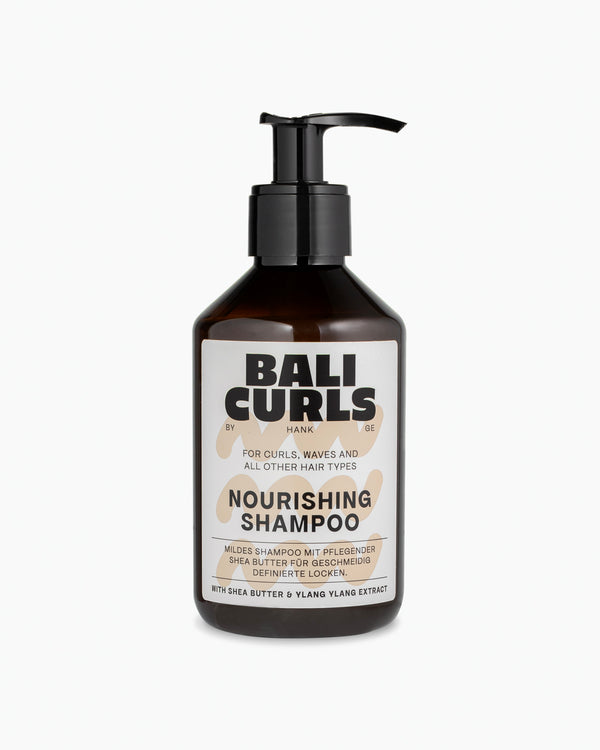
Look at the whole formula when choosing curl products. A gentle shampoo intended for coloured hair can help avoid unnecessarily intensive cleansing. Many people prefer sulfate-free options, although that label alone does not tell you how mild the finished formula is. Suitable cleansing can help preserve the appearance of your shade without leaving the lengths excessively dry or brittle.
Make conditioner and a suitable mask part of your routine
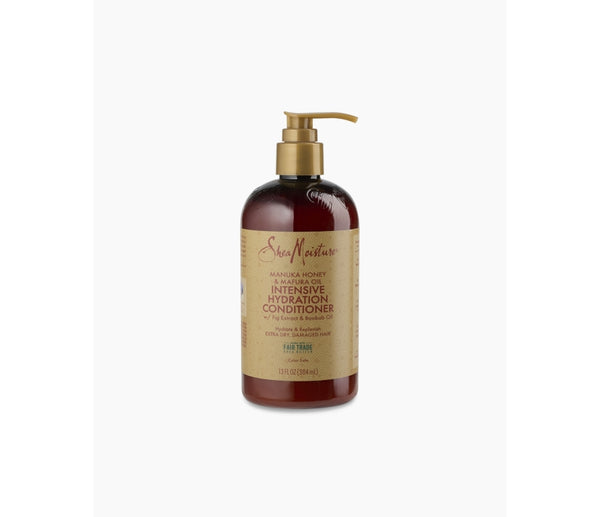
If you used to skip conditioner occasionally, colour-treated lengths may be less forgiving. Conditioning becomes especially useful for softness, slip and manageability. A deep-conditioning treatment may help when your usual conditioner is not enough. A protein-containing treatment can also be worth considering if your hair responds well to it; the right balance depends on its condition. Our article on moisture and protein can help you assess what your curls need.
Our tip: Confused about conditioner types? Our conditioner guide explains the differences.
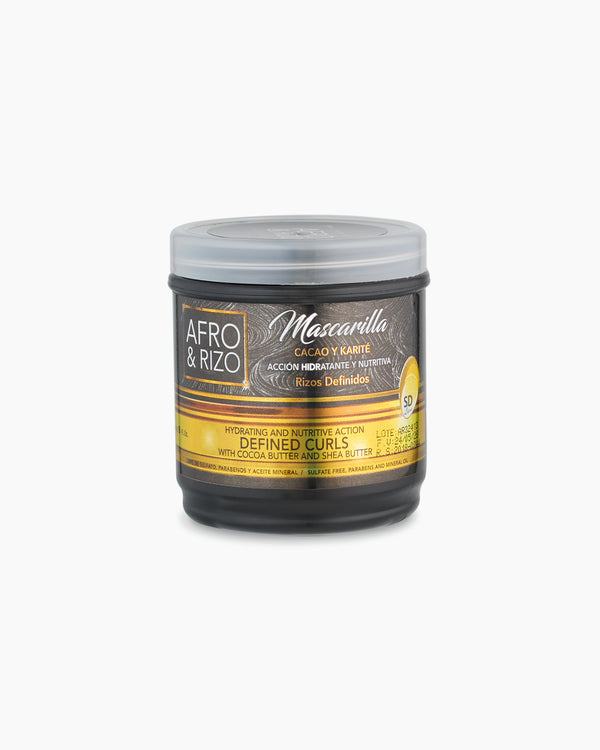
A deep mask is one way to give dry, coloured lengths more conditioning. Oils and butters in such formulas can help reduce moisture loss between washes. Choose the amount and frequency according to your hair’s thickness, feel and response, rather than assuming that richer is always better.
Be ready to adjust wash days or refreshes
If your hair loses its conditioned feel more quickly after colouring, your routine may need more attention between washes. That does not automatically mean washing more often: a refresh can restore shape and softness without a full wash.
A little leave-in conditioner with water can work as a freshly prepared refresh mixture, or you can choose a product designed for refreshing and conditioning curls. Use small amounts and assess whether your hair actually needs more product.
Handle coloured curls gently
Colour-treated hair may be more fragile and less tolerant of rough styling or detangling. Choose tools that help you work without snapping the lengths, such as a wide-tooth comb or a suitable detangling brush. Fingers are another option: start at the ends and gradually work upwards towards the roots. Patience and low tension matter more than forcing through knots.
One more consideration: silicones
Strict Curly Girl routines usually exclude silicones, but they are not inherently unsuitable for every curly or wavy head of hair. Some formulas containing them can work well in an individual routine. Before colouring, tell your hairdresser about the products you use. Product buildup, including certain silicone-containing formulas, may affect preparation and the colour result, so let the colourist decide whether clarifying is needed.
Coloured curls do not have to look like dry straw. Focus on adequate conditioning, gentle handling and products suited to your current hair rather than the routine you had before colouring.