


Children’s curls are a subject of their own. Any parent trying to care for them gently knows that washing, detangling or making a ponytail can sometimes end in tears. Curly hair has particular needs, but the aim is not a complicated ritual or a perfect hairstyle: it is comfortable care.
Products and accessories matter, alongside timing, technique and plenty of patience. A calmer approach can make wash day easier for both you and your child.
Here are nine practical ideas for caring for young curls with gentle hands and a routine suited to your family.
Find your way through the article
- 1. Choose the moment and avoid forcing it
- 2. Leave enough time; choose a simple style when you are rushed
- 3. Check the products before you start
- 4. Consider an optional pre-wash step
- 5. Try layering only when it helps
- 6. Detangle from the ends, with enough slip
- 7. Use comfortable protective hairstyles
- 8. Reduce friction at night
- 9. Wash when the scalp needs it
1. Choose the moment and avoid forcing it
Even adults know that a full curl routine can take time. For a child, a long washing and styling session is not appealing when they are tired, hungry or upset. Planning helps, but sometimes it is better to adapt the plan to a calmer moment. When your child feels comfortable, they may sit more easily and even enjoy helping through play.
2. Leave enough time; choose a simple style when you are rushed
Separating tangles can take longer than shampooing. If you are about to leave and have little time, postponing a non-urgent full wash may be kinder than rushing through knots.
A comfortable headband, soft scarf or simple loose hairstyle can keep the front sections in place temporarily. Choose an age-appropriate accessory and do not use it to pull tightly or conceal a scalp problem that needs attention.
3. Check the products before you start
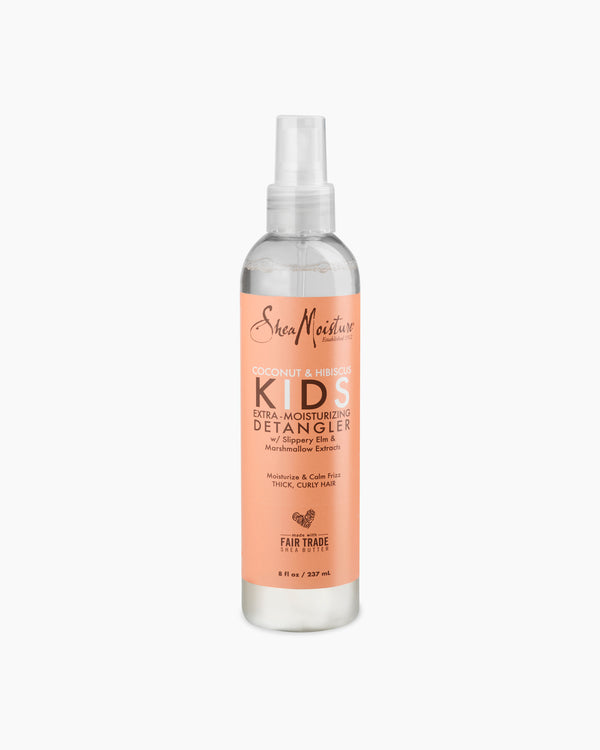
Choose hair products suitable for your child’s age and sensitive to their scalp’s needs. A mild cleanser and a conditioner with good slip are often a practical foundation. Add a suitable leave-in or light styling product only if needed.
Read the directions carefully. “Natural” does not automatically mean gentler, and it is not accurate to call every sulfate or paraben harmful. What matters is the whole formula, appropriate use and individual tolerance. Keep the routine as simple as it can be while still working.
4. Consider an optional pre-wash step
Pre-poo means care applied before shampooing. A suitable pre-wash treatment can improve slip and help the lengths feel less stripped during cleansing. It is optional, not a step every child needs.
Some routines use a small amount of suitable oil, such as coconut or olive oil, along the lengths, or a conditioner intended for pre-wash use. Follow the product’s directions on dry or slightly damp hair and then wash. Homemade recipes sometimes mention yoghurt or honey, but food-based mixtures are not necessary for a successful child’s routine. A purpose-made, age-appropriate product is easier to use according to clear instructions.
5. Try layering only when it helps
In curl communities, LOC and LCO describe the order of products. LOC means:
- leave-in conditioner or a water-based liquid;
- a small amount of oil;
- a cream or butter.
LCO places the cream before the oil. Some families like these combinations for dry hair, but they do not guarantee maximum hydration or permanently lock water into the fibre. Fine children’s hair can be weighed down easily. Begin with one suitable conditioning step and add layers only if the hair needs them, using small amounts and age-appropriate products.
6. Detangle from the ends, with enough slip
Starting at the roots can tighten knots and pull uncomfortably. Instead, divide the hair into manageable sections and begin at the ends, gradually working upwards while supporting the section.
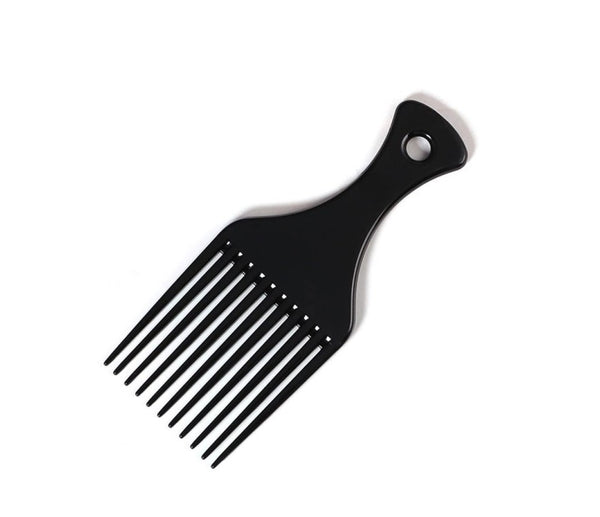
For many curls, damp or wet detangling with conditioner is more comfortable than brushing dry. Fingers can loosen larger knots before you use a smooth wide-tooth comb or suitable detangling brush. Keep movements slow and stop if it hurts. Wet hair still needs care: it should not be stretched or forced through a tool. A pre-wash step may help some routines, but you do not need to combine every product to detangle successfully.
7. Use comfortable protective hairstyles
Loose braids, twists and other suitable styles can reduce daily handling and tangling. If your child wants to try small braids or twists, consider an appropriate version rather than ruling it out immediately. Not every style is temporary or simple to maintain: locs, for example, are a different commitment from a loose braid.
A skilled stylist may help choose a style, but it must not pull tightly or hurt. A longer-lasting hairstyle does not remove the need to clean the scalp according to the child’s needs. Do not assume a professional style means washing can always be skipped for a week or two.
8. Reduce friction at night
Morning tangles can be frustrating after an active night’s sleep. A smooth satin or silk pillowcase may reduce friction compared with a rough surface and help the style last. Absorbency depends on the actual fabric, because satin is a weave rather than a fibre.
A bonnet may suit some older children, but any sleep accessory must be appropriate for the child’s age and safe to use. Do not add loose accessories or unsuitable bedding for infants. The useful principle is gentle protection, not adding equipment at every age.
9. Wash when the scalp needs it
Unnecessarily frequent or strong cleansing can leave some hair lengths dry. That does not mean the best schedule is always “as little as possible”. Sweat, activities, age, scalp condition and product build-up all affect the right interval.
If more frequent washing is needed, choose a suitable gentle cleanser. A purpose-made cleansing conditioner may work for some routines if it cleans sufficiently, but ordinary conditioner is not automatically a substitute for shampoo. Follow age guidance and observe scalp comfort rather than strict CGM rules.
If the Curly Girl Method interests you, take the gentle principles that help your child and adapt them. A child does not need to complete every adult step.
The most useful final advice is to observe and adjust. Find the timing, product amount and washing interval that suit your child, and make the experience as calm as possible. Explore suitable products at Curliculum and share practical experiences through our social channels if you wish. Comfort and a positive relationship with their own hair matter more than a flawless result.