


Teaching a child to care for curly hair need not be as difficult as it sounds, but it is a gradual process. To help your little one take pride in their hair and love it as it is, we have gathered practical ideas you can work through together. Explain each task one step at a time, according to their age and abilities. The same approach applies to every texture, from waves such as 2C and springy 3A–3B curls to denser 3C curls and tightly coiled type 4 hair.
The start of a school year can be a good opportunity. Relaxed holiday mornings give way to a more regular routine, into which you can gradually introduce curl care. Read on to discover which tasks your child might be ready for, and how to make the routine pleasant rather than a chore that turns them against their hair. You can find products for children’s curls at Curliculum.
In this article
- Why teach a child to care for their own curls?
- When are they ready to take responsibility?
- How can you break the routine into manageable steps?
- Which tasks should a parent handle for now?
- Common questions about independent curl care
Why teach a child to care for their own curls?
Taking part in hair care can strengthen a child’s relationship with their identity and help build confidence. Once they understand what their curls need and why, they can stop seeing care as something someone else simply does to them. With encouragement, they learn that they can influence how their hair looks and feels. This is a useful principle when adapting curl-friendly methods for children: understand the hair and work with it rather than fighting it.
Our relationship with curls begins in childhood. If a child repeatedly hears that their hair is hard work, unruly or disobedient, they may start to dislike it. Another option is to show them that their curls are beautiful and individual. Pride then has room to grow, giving them a positive foundation as they approach their teenage years.
There is a practical side too. In the morning rush, every minute matters. Each task a child can manage independently frees a little time for both of you.
Curl tip: If your mornings currently involve complaints and tears, first look at what could make the experience more comfortable. Our nine tips for caring for children’s curls without tears may help you spot where your routine needs changing.
When is a child ready to take responsibility?
There is no exact age: interest and ability matter more. One child may be keen to help at five, another at eight, and both are perfectly fine.
A preschooler can usually join in with simple tasks: choosing a clip or hair tie, scrunching upwards from the ends, or spreading conditioner with their fingers. Children in their first school years may manage a morning refresh or an easy hairstyle. Older schoolchildren may gradually handle a full routine. This applies to girls and boys alike. Shorter curls often need only a refresh, while longer styles may involve tying or braiding, regardless of gender.
How do you recognise the right moment?
A younger child may try to touch or style their own hair, imitate you or ask why you are doing something. That curiosity is a good opening. If they resist or avoid the task, do not push. Return to doing it together and try again later. You may also be learning yourself, particularly if you have only recently discovered that curls need a different approach from straight hair. Our guide to children’s curls explains the basics.
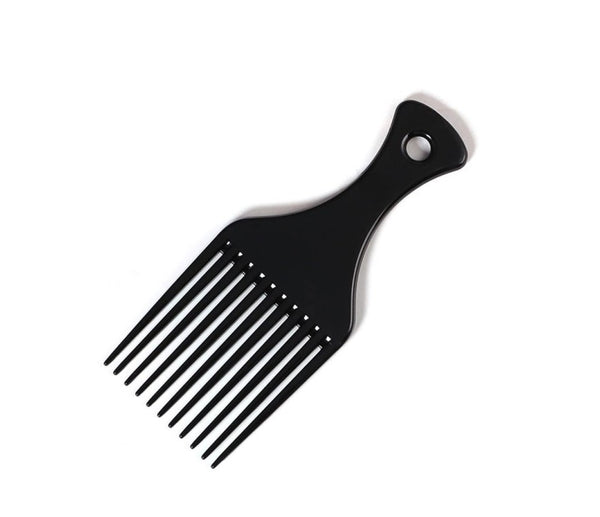
Curl tip: A first step towards independence can be choosing their own wide-tooth comb or detangling brush. Suitable tools, used gently, can make detangling more comfortable and something your child is happier to try.
How can you break the routine into manageable steps?
Move forward one task at a time. Once a step feels comfortable and your child understands it, add the next. This prevents the routine from feeling complicated or overwhelming.
A morning refresh as the first independent task
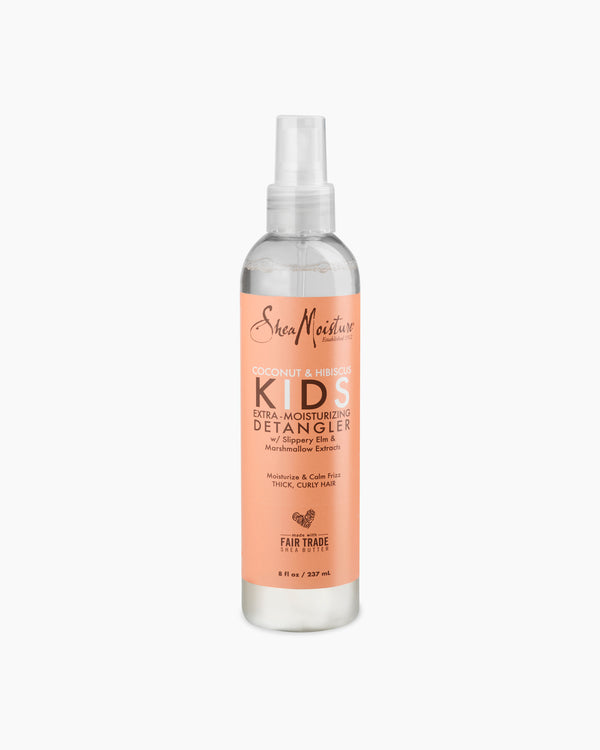
A gentle refresh is often a useful starting point. A spray bottle of clean water can lightly dampen the hair; a suitable children’s detangling spray is another option. If using leave-in, follow its directions rather than storing an improvised diluted mixture. Teach your child that brushing dry curls often disrupts their shape and causes discomfort, so tangles are usually easier to tackle with moisture and slip. Refreshing can restore shape between washes; it is different from cowashing, which means cleansing with a conditioner-based wash.
Detangling with their own hands
Once the hair is damp and has enough slip, start at the ends and gradually work towards the roots. Teach your child to try their fingers first, then a wide-tooth comb when appropriate. Fingers help them feel where a knot is and avoid pulling through it.
Applying a small amount of styling product
This need not be complicated. An age-appropriate styling product can help define curls and make them more manageable, but suitability depends on its formula and instructions. Less is often more. Show your child how to spread a small amount of cream or light gel between their palms and gently scrunch it into damp hair, lifting from the ends towards the roots.
Which easy hairstyles can a child try?
A loose high ponytail or half-up bun can be a useful starting point. The right hair tie matters too. Satin scrunchies come in different sizes and colours and can be fun to match with clothing. Their smooth surface can reduce snagging compared with rough ties, but keep every style loose enough to feel comfortable and avoid tension on the scalp.
Curl tip: Our seven back-to-school hairstyles for curly-haired children offer more ideas to practise together.
How can hair care become playful?
Turn the routine into a ritual your child enjoys. Let them choose accessories, scrunchie colours or, from suitable options, a product scent. A small hair-care corner with a mirror, a comfortable seat and accessible tools can also help. Leave only items they can safely use within reach; cosmetics and electrical tools may still need supervision.
Which tasks should a parent handle for now?
Some steps are best kept under adult guidance until your child is ready. Hair washing includes regulating the water temperature, for example. Children may choose water that is too hot for comfort. Stay nearby and select a gentle, age-appropriate shampoo. Mild low-poo or cleansing-conditioner options can suit some routines, but ingredient exclusions alone do not establish suitability, and adequate scalp cleansing still matters. You can wash together, showing your child how to focus cleanser on the scalp.
Drying with a diffuser is another task to supervise. Excessive heat or poor technique can cause discomfort, roughness and frizz. Used carefully at a suitable temperature and distance, a diffuser can help preserve curl shape and add volume.
Curl tip: A parent can decide when occasional steps, such as deeper conditioning, are useful for the child’s hair. Once you explain how much to use and where it goes, an interested child may be able to help apply an appropriate mask.