

We have already shared plenty of advice about suitable products and caring for curly hair. Accessories receive less attention, even though they play an important part in an everyday routine. Sometimes simply changing your comb or hair towel makes a visible difference. Here is a guide to accessories worth considering for waves and curls. First, let’s clear up a common question about materials.
Find your way through the article
- What is the difference between satin and silk?
- Which towels work well for curly hair?
- How do you choose a comb or brush for curly hair?
- What is a scalp massager for?
- A spray bottle for refreshing and styling
- Accessories that protect curls while you sleep
- PUFF CUFF and scrunchies: gentle ways to secure curls
- Headbands, scarves and turbans
- Accessories for curly-haired children
What is the difference between satin and silk?
Silk is a fibre; satin is a weave. That is the simplest way to tell them apart. If you often confuse the two, you are certainly not alone.
Real silk is a natural material produced by silkworms. It is lightweight, soft and particularly smooth. Its gentle surface is one reason it is popular for hair accessories. It is also a luxury material, so the higher price may be a consideration. Silk is not automatically antibacterial or immune to mould: it still needs appropriate washing and care.
Satin, on the other hand, describes the way a fabric is woven. Satin can be made from silk, polyester, cotton or blends, so not every satin item has the same properties. The weave creates a smooth surface that can resemble silk. Synthetic satin is often a more affordable option. Smoothness alone does not guarantee that a fabric is hypoallergenic, and its absorbency depends on the fibre used.
Why start here? Silk and satin come up frequently in curly hair care. Their smooth surfaces can create less friction than a rough towel or pillowcase. A silk pillowcase or satin scrunchie can therefore be gentler on curls. How much moisture a fabric absorbs depends on its composition, so check the label rather than relying on the word “satin”.
Choose silk if you prefer a natural luxury fibre, or consider a more affordable satin option. Either can be useful if the fabric is smooth and the accessory suits your hair. Many of the accessories below are available in one or both materials.
Which towels work well for curly hair?
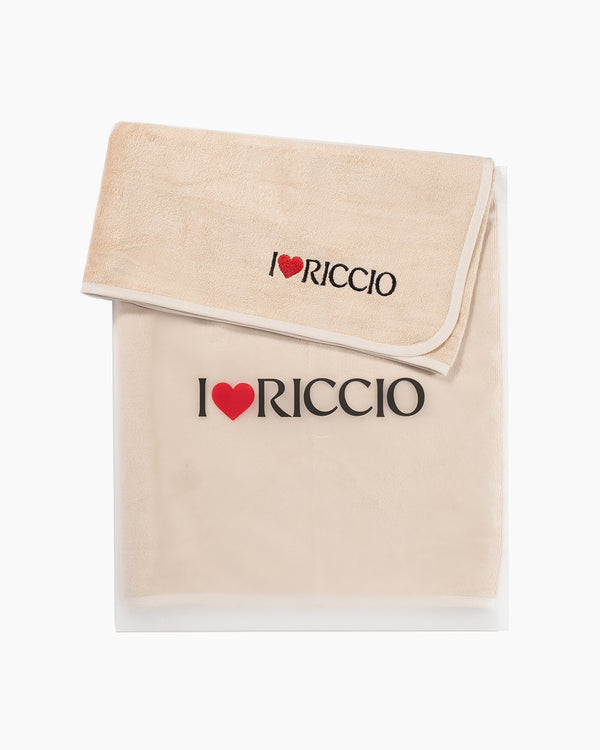
Remove excess water gently after washing. Rubbing curls with a rough terry towel can increase friction and frizz. A smooth microfibre towel, often made from polyester and polyamide, can be a gentler alternative and help preserve curl definition. Wrap or gently squeeze your hair instead of rubbing it.
Curl tip: Plopping is a popular way to remove excess water and support the curl pattern. A soft cotton T-shirt is enough to try it. Arrange your curls in the fabric and wrap them gently, without pulling or rubbing.
How do you choose a comb or brush for curly hair?
Dry brushing usually separates curl clumps, creates a fluffy appearance and can cause breakage if the hair is pulled. A practical time to detangle is while conditioner is in your hair after shampooing or cowashing. The slip makes the process easier and brushing can help distribute the conditioner. A wide-tooth comb is a useful starting point; work gently from the ends upwards.
You can also use an appropriate detangling brush before applying styling products, keeping the hair sufficiently damp and slippery. Denman brushes and combs come in different sizes and are popular tools for shaping curls. For extra lift at the roots, a narrow afro pick can help you add volume without combing through the full length of the curls.
What is a scalp massager for?
A scalp massager can make cleansing feel more relaxing and help loosen surface build-up. Choose a comfortable pressure and keep the movements gentle: firm scrubbing is unnecessary and may irritate the scalp or tangle the hair. It can be a pleasant addition to your routine, but it should not be treated as a proven way to make hair grow faster or replace care for a scalp condition.
A spray bottle for refreshing and styling
If you already have a curl routine, you know a full wash day takes time: cleansing, conditioning, drying and styling all need their moment. A refresh is a way to revive the hairstyle between washes without repeating the entire process. There are several ways to do it, depending on your hair and what it needs.
A spray bottle is a handy tool for applying water or a suitable lightweight refresh mixture evenly. It can also help with styling or a homemade preparation. Follow product directions, use a clean bottle and avoid keeping water-diluted cosmetic mixtures for long periods.
Curl tip: If you enjoy homemade hair care, explore simple DIY recipes carefully. Choose ingredients your scalp tolerates and make small, fresh batches.
Accessories that protect curls while you sleep
While you drift off, your curls are still in contact with the pillow. A rough pillowcase combined with turning your head during the night can leave the hairstyle tangled, flattened or frizzy by morning. The surface your hair rests against matters.
A smooth silk pillowcase can reduce friction. A silk turban or satin bonnet is another popular option, keeping curls loosely together as well as protecting them from rubbing. Choose a comfortable fit that does not pull around the hairline.
PUFF CUFF and scrunchies: gentle ways to secure curls
If you prefer an updo, or wash day has not gone to plan, you probably know how difficult finding the right hair tie can be. One pulls, another flattens the hair, and a third refuses to stay put. Scrunchies are covered in fabric, often satin, and their smooth surface can be gentler on curls. Choose the right size and tie them loosely enough to avoid unnecessary tension. With so many colours and designs, they can also complement your outfit.
A PuffCuff-style clip offers another way to gather curls while preserving volume and definition. Its rounded shape holds the hair differently from a conventional claw clip or tight elastic. Choose a size suited to your hair and use it for everyday styles or a special occasion.
Curl tip: Protective, comfortable updos can be useful for exercise and for days when your usual hairstyle needs a little help. The aim is to keep hair secure without pulling tightly.
Headbands, scarves and turbans
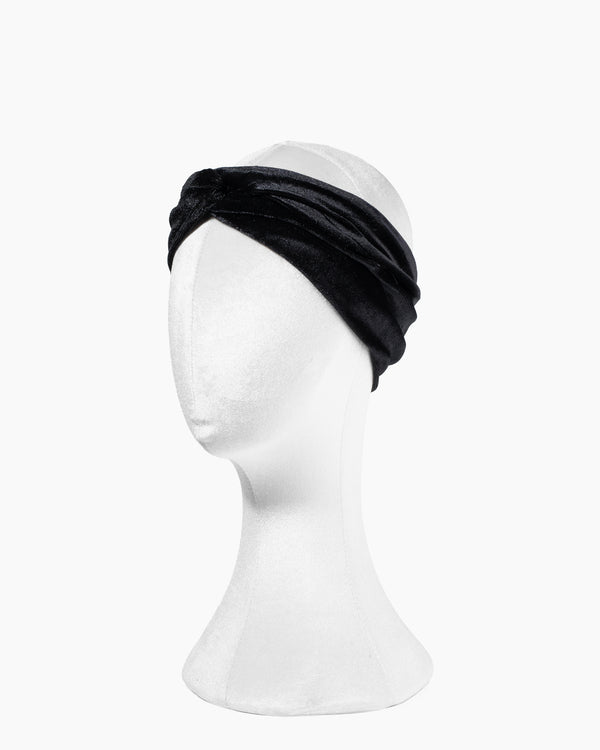
Hair ties and clips are not your only options. Headbands, scarves and turbans made from gentle fabrics can keep the front sections in place and add something to your outfit. They work for an occasion, an ordinary day or a workout.
A turban can also be a distinctive, elegant accessory. A satin scarf has another practical use: you can use it to gently scrunch out the cast left by a styling product. Its smooth surface may help keep the curl clumps together and limit frizz. As always, gentle handling matters more than force.
Accessories for curly-haired children
If you care for a child’s curls, you know that washing and styling can require patience. Many of the accessories above can be useful for children too, provided they are suitable in size and use. Smaller scrunchies and small-diameter PuffCuff clips can suit a child’s hair better than adult sizes. Children’s satin bonnets are available too, sometimes in matching adult-and-child sets. Any sleep accessory must be age-appropriate and used safely.
Curl tip: The right comb or brush, and a gentle technique, make a real difference when detangling children’s curls. Use suitable slip, start at the ends and avoid tugging.
We hope this guide has helped you make sense of the options and find accessories that suit your own waves or curls. Explore the Curliculum shop for accessories that fit your routine and preferences.