

Getting waves or curls to look the way you want can feel difficult. It is tempting to rely on a ponytail or updo when loose hair will not cooperate. Suitable styling techniques offer another option: working with the natural pattern rather than trying to hide it. Here are several methods you can experiment with.
Styling starts with suitable care
Before the final shaping step, consider the rest of your routine. Cleansing and conditioning that suit your hair can help reduce a dry feel, unwanted frizz and poor definition.
Appropriate conditioning, protein-containing care if it suits you, and gentle protection at night all support the result. Before trying the techniques below, it helps to know how to detangle without unnecessary pulling.
How should you detangle curls?
A useful approach is to detangle wet or damp hair with enough conditioner or a suitable detangling product for slip. Dry brushing often separates curl clumps and can cause breakage if you pull through knots. Wet hair still needs gentle handling: do not force a comb through it.
The tool matters too. A smooth wide-tooth comb or suitable detangling brush can help distribute conditioner and release knots. Fingers may be enough for some hair. Work from the ends upwards, supporting the section. A styling brush can be used later to shape already detangled sections; its purpose is not to drag through difficult tangles.
How can you style waves and curls?
Just as choosing gel, spray or cream takes some trial and error, finding a technique can take time. Hair varies, so there is no single sequence that works for everyone. These methods provide different ways to explore definition and volume.
Plopping to remove excess water
Plopping gathers curls gently in a soft fabric to absorb water without rubbing. You can use it before styling or after applying a suitable styling product.
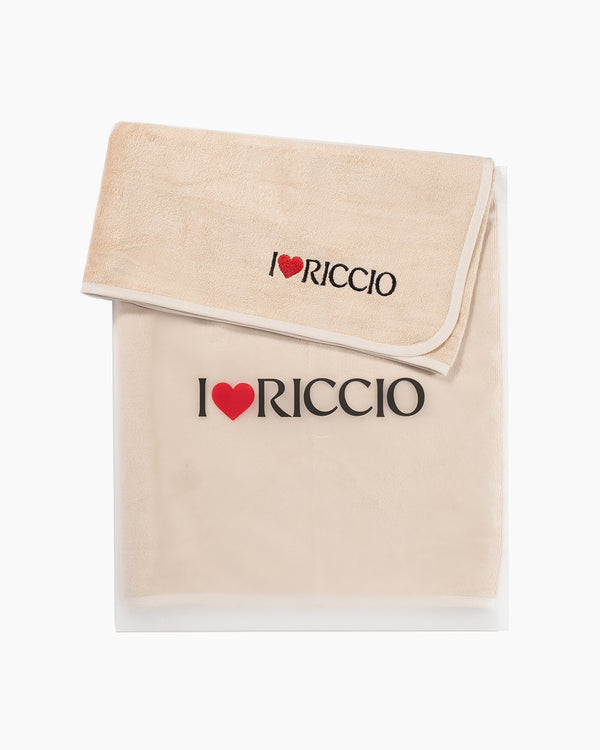
Choose a smooth microfibre towel or soft cotton T-shirt instead of a rough towel. A long-sleeved T-shirt, including one you no longer wear, can be convenient. Avoid rubbing or twisting the lengths, which can disturb definition and increase friction.
One option is to plop after rinsing conditioner or a mask and then style. Another is to apply styling to very wet hair, plop briefly and finish drying in the air or with a diffuser.
- Spread the T-shirt on a bed or another suitable surface. Lean forward and allow your hair to fall towards it.
- Lower your head slowly so the curls fold naturally into the centre. Gather the fabric around your head without twisting hair into the edges.
- Use the sleeves to secure the wrap comfortably. The curls should sit loosely in the space on top, not be stretched into the ties.
- After roughly 5–20 minutes, remove it carefully and continue styling or drying. Adjust the time to your hair rather than treating it as a fixed rule.
Our tip: Porosity, density and how wet the hair was all affect the time needed. More porous hair may need only a brief plop, but observe the result instead of relying on porosity alone.
Plopping does not suit everyone. As an alternative, gently lift sections from the ends towards the roots with a soft T-shirt or microfibre towel after applying styling. This is often called microplopping. Squeeze lightly without rubbing, wringing or pulling the curls.
Popular styling techniques
Squish to condish and scrunching
Squish to condish is primarily a conditioning technique: on wet hair, cup the ends and gently squeeze them towards the roots to work water and conditioner through the lengths. Leaning forward or to one side can make it easier. Rinse a rinse-out conditioner according to its directions.
The same upward scrunching motion can help distribute a suitable styling product and encourage the curl pattern. Work in sections if needed, or use an appropriate tool first for even distribution. Keep the motion gentle and stop when the product is distributed, rather than endlessly handling the hair.
Roping
Roping applies product without raking apart the clumps. Put a little product in your palms and separate a section roughly two to three centimetres wide, adjusting for your hair. Hold it like a loose rope and gently press the product along it from the upper lengths towards the ends, covering the section without pulling.
You can finish with a light upward scrunch to encourage the shape and remove dripping water. Then air-dry or diffuse gently.
Root clipping for lift
If your hair has plenty of width at the ends but lies flat at the roots, clips may help create lift. Use suitable clips with enough width to support the section, around a centimetre or more, without snagging.
After washing, styling and partial drying, divide the crown into small sections. The number depends on your density; around ten is only an example. Place clips near the roots to lift them without tight tension. Let the hair dry fully, using a diffuser if you wish. Remove clips carefully, then gently arrange the roots with your fingers. The aim is extra lift without combing through the defined lengths.
Styling with a Denman brush
Denman brushes are popular tools for shaping waves and curls. Begin with damp or wet, conditioned and already detangled hair. A suitable cream or activator can help with slip and definition if your hair needs it.
Divide the hair into workable sections and clip the upper layers out of the way. Brush a small section gently from near the roots towards the ends, directing it out from the head rather than flat downwards. An angle around 90 degrees is one option for lift. Keep comfortable tension, then turn the wrist slightly at the ends to guide the shape without tangling hair around the brush.
Let the section fall and scrunch upwards to encourage the natural curl. Continue section by section, add hold if needed and finish by air-drying or diffusing. Adjust the brush, section size and tension to your own texture.
Rake and shake
Start with wet, conditioned and detangled hair, divided into sections. Keep a spray bottle nearby if parts begin drying before you style them. Apply a suitable cream, defining product or styler with hold as directed.
Run your fingers through a small section from near the roots to the ends, using gentle tension. At the ends, keep hold lightly, relax the tension and give the section a small shake so it can settle into its own shape. Repeat through the hair. If you have not yet added your hold product, scrunch it in gently. Finish drying in the air or with a diffuser.
Scrunch out the crunch
Some styling products dry into a firm coating called a cast. That does not necessarily mean the finished hairstyle must stay hard. Wait until the hair is fully dry before softening it.
Rather than brushing, cup the curls and squeeze gently from the ends upwards. You can also lightly press a section between open palms to break the stiff coating; vigorous clapping is unnecessary. Use fingers sparingly to release the cast without breaking apart the curl clumps. The aim is softer movement while keeping the hold and definition.
Ready to try? You can adapt or combine techniques. Compare one change at a time, including how wet the hair is when you apply styling. A little water from a spray bottle can help during application, but you do not have to keep rewetting hair throughout drying. Explore styling products and tools at Curliculum according to the result you want.